
A bathroom remodeling project is one of the most rewarding investments a homeowner can make. Whether the goal is to improve functionality, increase comfort, enhance aesthetics, or boost property value, a well-planned renovation can completely transform one of the most frequently used spaces in a home. Unlike simple cosmetic updates, a full bathroom remodel involves careful planning, budgeting, design decisions, skilled craftsmanship, and quality materials working together to create a beautiful and practical result. While the process may seem overwhelming at first, understanding each stage helps homeowners prepare for the journey and avoid costly mistakes along the way.
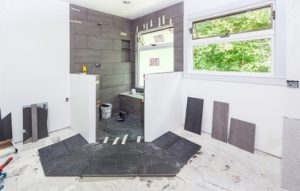
Every successful Bathroom Remodeling Lexington KY project follows a structured process. Rather than rushing into demolition or purchasing fixtures on impulse, experienced professionals focus on creating a detailed plan before any physical work begins. This organized approach minimizes delays, keeps costs under control, and ensures that every detail aligns with the homeowner’s vision. From the initial consultation to the final inspection, each phase contributes to creating a bathroom that is both stylish and built to last.
Step 1: Define Your Remodeling Goals
The foundation of every successful bathroom remodel begins with establishing clear goals. Homeowners should first determine why they want to remodel the bathroom and what improvements they hope to achieve. Some bathrooms simply need cosmetic updates, while others require complete structural modifications due to age, water damage, or changing family needs. Defining priorities early helps shape every decision that follows, including layout, materials, budget, and timeline.
Common remodeling objectives include:
- Improving storage and organization.
- Creating a more modern and visually appealing design.
- Enhancing accessibility and safety.
- Increasing energy and water efficiency.
- Raising overall home value.
Taking time to identify these priorities prevents unnecessary expenses and helps maintain focus throughout the remodeling process. Instead of chasing every design trend, homeowners can invest in features that genuinely improve everyday living.
Step 2: Establish a Realistic Budget
Budget planning is one of the most critical aspects of bathroom remodeling. Without a clearly defined budget, costs can quickly escalate as unexpected issues arise during construction. A realistic budget should account not only for visible finishes such as tile and fixtures but also for labor, permits, plumbing modifications, electrical work, waterproofing, and unforeseen repairs.
Many remodeling projects uncover hidden problems after demolition begins. Water damage behind walls, outdated plumbing systems, mold, or structural issues may require immediate attention before new materials can be installed. Setting aside a contingency fund helps manage these surprises without disrupting the overall project.
Homeowners should remember that investing in quality workmanship and durable materials often leads to lower maintenance costs and longer-lasting results.
Step 3: Develop the Bathroom Design
Once the budget has been established, the design phase begins. This is where ideas become detailed plans. A successful bathroom design balances beauty with functionality, ensuring that every square foot is used efficiently while maintaining a comfortable flow throughout the space.
During this stage, important decisions include selecting:
- Vanity style and size
- Shower or bathtub configuration
- Flooring materials
- Wall finishes
- Lighting fixtures
- Cabinetry
- Faucets and plumbing fixtures
- Mirrors
- Paint colors
- Storage solutions
The layout deserves special attention because relocating plumbing fixtures can significantly increase remodeling costs. Whenever possible, maintaining existing plumbing locations while updating finishes provides excellent value without sacrificing style.
Natural light, ventilation, and storage should also be considered carefully during the design process. Even a smaller bathroom can feel spacious with smart lighting, well-positioned mirrors, floating vanities, and efficient storage solutions.
Step 4: Select Durable Materials
Material selection has a significant impact on the long-term performance of the remodeled bathroom. Since bathrooms experience constant moisture, humidity, and daily wear, choosing water-resistant materials is essential for maintaining both beauty and durability.
High-quality flooring, moisture-resistant drywall, waterproof membranes, durable countertops, and easy-to-clean surfaces help extend the lifespan of the renovation. Homeowners often prioritize materials that combine visual appeal with low maintenance requirements, reducing future repair and cleaning efforts.
Although premium materials may have higher upfront costs, they often deliver better long-term value by resisting stains, scratches, moisture damage, and everyday wear.
Step 5: Obtain Necessary Permits
Depending on the scope of the remodeling project, permits may be required before construction begins. Projects involving plumbing, electrical systems, ventilation, or structural modifications typically require inspections to ensure compliance with applicable building standards.
Obtaining permits before work starts protects homeowners from potential legal complications and ensures that all work meets current safety requirements. It also provides peace of mind knowing the renovation has been completed according to professional standards.
Skipping this step can result in delays, additional expenses, or complications when selling the property in the future.
Step 6: Prepare the Work Area
Before demolition begins, the bathroom must be properly prepared. Furniture, decorations, mirrors, accessories, and personal belongings should be removed from the space to prevent damage. Protective coverings are often placed throughout nearby areas to reduce dust and protect flooring.
During this preparation stage, contractors typically shut off water supplies, disconnect electrical fixtures, and establish safety measures that allow demolition to proceed efficiently. Proper preparation minimizes disruptions while protecting the rest of the home during construction.
Step 7: Demolition and Removal
Demolition marks the beginning of the physical transformation. Old fixtures, flooring, cabinets, tile, drywall, and outdated plumbing components are carefully removed while preserving structural elements that remain in good condition.
Although demolition appears straightforward, experienced professionals perform this work carefully to avoid damaging plumbing lines, electrical wiring, or structural framing hidden behind walls.
This phase also provides an opportunity to inspect the underlying condition of the bathroom. Hidden moisture damage, mold, deteriorated framing, or aging pipes can be identified and repaired before rebuilding begins.
Step 8: Complete Plumbing and Electrical Updates
With the space opened up, plumbing and electrical systems can be updated as necessary. This stage often includes relocating supply lines, installing new drain systems, upgrading wiring, improving ventilation, and preparing connections for new fixtures.
Modern bathrooms typically require additional electrical capacity to accommodate improved lighting, heated flooring, exhaust fans, smart mirrors, charging outlets, and other contemporary conveniences.
Professional installation ensures these systems operate safely while supporting the new bathroom layout for many years.
Step 9: Install Waterproofing Systems
Waterproofing is one of the most important yet frequently overlooked components of bathroom remodeling. Proper waterproofing protects walls, floors, and framing from moisture infiltration that could eventually lead to mold growth or structural deterioration.
Professional waterproofing systems are installed behind tile, around showers, tubs, and flooring transitions to create a moisture barrier that prevents hidden leaks.
Investing in quality waterproofing significantly extends the life of the entire bathroom while reducing the likelihood of future repairs.
Step 10: Install Walls, Flooring, and Tile
Once the structural systems are complete, the bathroom begins taking shape visually. Walls are repaired or replaced, flooring is installed, and tile work transforms the space into its finished appearance.
Tile installation requires careful planning to ensure proper alignment, spacing, and waterproof sealing. Whether using large-format tiles, decorative mosaics, or natural textures, precision installation contributes greatly to the overall appearance.
This stage often has the greatest visual impact, as homeowners begin seeing their design vision become reality.
Step 11: Install Cabinets and Fixtures
After finishes have been completed, permanent fixtures are installed. Vanities, sinks, toilets, bathtubs, showers, faucets, mirrors, storage cabinets, lighting, towel bars, and accessories all come together to create a fully functional bathroom.
Attention to detail during installation ensures proper alignment, secure mounting, leak-free plumbing connections, and smooth operation of every fixture.
Even seemingly small details, such as cabinet hardware placement or mirror positioning, contribute to the finished appearance and overall usability of the room.
Step 12: Final Inspection and Quality Check
Before the remodeling project is officially complete, a thorough inspection confirms that every component functions correctly. Plumbing fixtures are tested for leaks, electrical systems are verified, ventilation is checked, and all finishes are examined for quality.
During this final walkthrough, homeowners have an opportunity to identify any remaining touch-ups or adjustments before the project is considered complete.
A successful bathroom remodel should not only look beautiful but also perform reliably every day.
Tips for a Smooth Bathroom Remodeling Experience
While every remodeling project is unique, several best practices help ensure a smoother experience from beginning to end.
- Finalize design decisions before construction begins to minimize costly changes.
- Purchase materials early to avoid shipping delays.
- Maintain open communication throughout the project.
- Plan for temporary bathroom arrangements during construction.
- Prioritize quality craftsmanship over rushing the schedule.
These practical steps help reduce stress while keeping the project organized and moving efficiently toward completion.
Common Mistakes to Avoid
Even carefully planned bathroom remodels can encounter problems when important details are overlooked. Recognizing common mistakes helps homeowners make better decisions throughout the renovation process.
Some of the most frequent remodeling errors include underestimating the budget, choosing style over functionality, neglecting ventilation, selecting low-quality materials, ignoring waterproofing, adding insufficient storage, or making last-minute design changes after construction has begun.
Avoiding these pitfalls leads to a bathroom that not only looks exceptional but also remains comfortable, efficient, and durable for years to come.
The Long-Term Value of Bathroom Remodeling
Beyond improving appearance, a professionally completed bathroom remodel delivers lasting benefits throughout the home. Updated bathrooms often improve daily comfort, reduce maintenance requirements, increase energy efficiency, and enhance overall property appeal. Modern fixtures can lower water consumption, improved lighting creates a more inviting atmosphere, and better storage solutions help maintain an organized space.
Perhaps most importantly, a thoughtfully designed bathroom adapts to changing household needs while providing a relaxing environment for everyday routines. Rather than viewing remodeling as merely an expense, many homeowners consider it a long-term investment in both lifestyle and property value.
A successful bathroom remodeling project is built upon thoughtful planning, skilled execution, and attention to detail from beginning to end. Every phase—from defining goals and setting a budget to selecting materials, updating plumbing, installing finishes, and completing final inspections—plays a vital role in achieving a beautiful and functional result. While the process requires patience and careful coordination, following a structured step-by-step approach helps minimize surprises and maximize the value of the investment.
Whether the renovation involves a modest refresh or a complete transformation, approaching each stage with careful preparation ensures lasting satisfaction. A well-remodeled bathroom not only enhances the comfort and functionality of everyday life but also adds enduring appeal and value to the home, making it one of the most worthwhile improvement projects a homeowner can undertake.