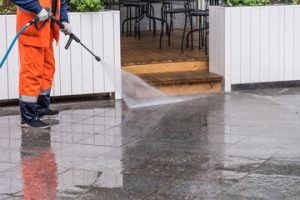
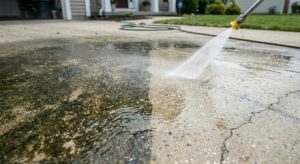
High-Quality Exterior Pressure Washing Services for Long-Lasting Curb Appeal

Maintaining a property’s exterior is essential for preserving both its aesthetic appeal and structural integrity. Over time, exterior surfaces naturally accumulate dirt, grime, mold, mildew, pollen, and other environmental contaminants. These factors not only make a property look neglected but can also cause long-term damage if left untreated. High-quality exterior Pressure Washing Sugar Land services provide a powerful and effective solution to restore the beauty of homes and businesses, enhance safety, and maintain long-lasting curb appeal. By utilizing professional techniques and industry-grade equipment, these services ensure surfaces are thoroughly cleaned and protected, offering benefits that go far beyond surface-level improvements.

pressure washing

The Importance of Exterior Pressure Washing

A property’s exterior is constantly exposed to elements such as sunlight, rain, dust, and airborne pollutants. Without regular cleaning, these contaminants accumulate, leading to unsightly stains and gradual degradation of building materials. Mold, mildew, and algae are particularly common in shaded or damp areas, causing discoloration and potential structural weakening. Exterior pressure washing targets these problems by using high-pressure water combined with specialized cleaning solutions to remove dirt, debris, and microbial growth efficiently. Unlike traditional scrubbing or hosing, professional pressure washing reaches every nook and cranny, delivering a deep, comprehensive clean that enhances both appearance and performance.

For homeowners, a clean exterior increases property pride, protects investments, and creates a more inviting environment. For businesses, maintaining an attractive exterior is crucial for creating positive first impressions with clients, customers, and employees. High-quality pressure washing services ensure that properties remain visually appealing while reducing the risks associated with surface deterioration and environmental exposure.

Benefits of High-Quality Exterior Pressure Washing

Investing in professional exterior pressure washing provides numerous advantages for property maintenance and long-term protection. Some of the key benefits include:

  1. Enhanced Curb Appeal – One of the most immediate benefits of exterior pressure washing is the dramatic improvement in appearance. Dirt, grime, and organic buildup can make even a well-maintained property look aged or neglected. Pressure washing restores surfaces to their original condition, boosting visual appeal and increasing the overall attractiveness of the property.
  2. Preventative Maintenance – High-quality pressure washing helps prevent damage caused by mold, mildew, algae, and accumulated debris. These elements can erode building materials, stain surfaces, and weaken structural components over time. Regular cleaning preserves the integrity of surfaces such as siding, brick, concrete, and wood, extending their lifespan and reducing repair costs.
  3. Safety Improvements – Outdoor areas like walkways, driveways, patios, and pool decks can become slippery due to algae, moss, or mold. Pressure washing eliminates these hazards, minimizing the risk of slips and falls for residents, employees, and visitors. Clean, safe surfaces are essential for both residential and commercial properties.
  4. Preparation for Renovation or Painting – Pressure washing is often a critical step before applying paint, stain, or sealants. Removing dirt, debris, and old coatings ensures proper adhesion of new materials, improving the effectiveness and longevity of renovation projects.
  5. Cost-Effective Maintenance – While some property owners may hesitate to invest in professional cleaning services, pressure washing is cost-effective in the long run. It prevents surface deterioration, reduces maintenance needs, and minimizes the likelihood of expensive repairs caused by prolonged exposure to contaminants.

Common Applications of Exterior Pressure Washing Services

High-quality pressure washing services are versatile and suitable for a wide range of surfaces and areas around residential and commercial properties. Some of the most common applications include:

  • Driveways and Sidewalks – Dirt, oil stains, tire marks, and moss can accumulate on these surfaces, making them unsightly and potentially hazardous. Pressure washing restores their appearance and improves traction for safe walking and driving.
  • Building Exteriors – Siding, stucco, brick, and metal surfaces are prone to dirt, mold, and discoloration. Professional cleaning removes buildup while maintaining the integrity of the material, enhancing overall curb appeal.
  • Patios and Decks – Outdoor living spaces often accumulate grime, mold, and mildew. Pressure washing revives these areas, making them safe, clean, and more enjoyable for gatherings or personal use.
  • Fences and Gates – Wooden, vinyl, or metal fences can develop stains and algae over time. Pressure washing preserves the surface, extends its lifespan, and restores its appearance.
  • Parking Areas and Walkways – Commercial properties benefit from clean parking lots and pedestrian areas. Pressure washing removes dirt, oil, gum, and other stains, creating a professional and inviting environment.
  • Roofs and Gutters – Roof shingles and gutters can harbor mold, moss, and debris that cause water damage. Specialized low-pressure washing techniques safely clean these surfaces, preventing potential leaks and extending the lifespan of roofing materials.

Techniques and Safety Considerations

High-quality exterior pressure washing is not a one-size-fits-all service. Professional technicians tailor their approach based on the surface type, degree of dirt buildup, and environmental considerations. Industry-grade pressure washers allow precise control of water pressure, while eco-friendly detergents and cleaning solutions ensure safe and effective results. Delicate surfaces, such as painted wood or shingles, often require soft washing—a low-pressure technique combined with biodegradable cleaning agents—to prevent damage while achieving a thorough clean.

Safety is also a top priority. Professionals are trained to operate equipment securely, prevent water damage to structures, and avoid injury. They assess the property for potential hazards and implement measures to protect landscaping, windows, and outdoor fixtures. By combining expertise with proper equipment, high-quality pressure washing delivers exceptional results without compromising safety.

Routine Maintenance and Long-Term Benefits

Regular exterior pressure washing is a proactive maintenance strategy that helps preserve surfaces and extend their lifespan. Scheduling cleanings seasonally or annually removes contaminants before they cause lasting damage. For residential properties, this prevents wood rot, mold infiltration, and discoloration on siding, fences, and decks. For commercial properties, routine cleaning protects high-traffic areas, maintains a professional image, and reduces liability risks associated with slippery or unsightly surfaces.

In addition to preservation, professional pressure washing can improve energy efficiency and indoor air quality. Removing dirt, dust, and mold from exteriors reduces allergens and particulate matter that can enter the building, promoting healthier living and working environments. Clean surfaces also reflect sunlight more effectively, reducing heat absorption in some cases and helping maintain comfortable indoor temperatures.

Environmental Benefits of Professional Pressure Washing

Many high-quality pressure washing services prioritize environmentally friendly practices. Biodegradable cleaning solutions are used to break down contaminants without harming plants, animals, or water sources. Efficient water use and proper runoff management ensure that cleaning processes are sustainable and environmentally responsible. Property owners can achieve exceptional cleaning results while minimizing their ecological footprint, making professional pressure washing a practical and green maintenance option.

Two Key Advantages of High-Quality Exterior Pressure Washing

  1. Restored Aesthetic Appeal – Pressure washing removes layers of dirt, grime, mold, and mildew, instantly enhancing the visual appeal of homes and businesses. A clean exterior creates a positive impression and contributes to long-lasting curb appeal.
  2. Surface Protection and Longevity – Routine cleaning prevents deterioration, extends the lifespan of materials, and reduces the need for costly repairs. By addressing environmental and biological contaminants early, property owners protect their investment and maintain structural integrity.

Choosing the Right Exterior Pressure Washing Service

Selecting a reputable pressure washing service ensures effective results and long-term benefits. Property owners should consider the following factors:

  • Experience and Expertise – Technicians with a strong track record understand how to clean various surfaces safely and efficiently.
  • Equipment and Techniques – High-quality equipment and the correct application of pressure or soft washing methods are critical for effective cleaning without damage.
  • Safety Standards – Ensure the service provider follows safety protocols to protect both the property and personnel.
  • Service Options – Flexible offerings such as one-time cleaning, seasonal maintenance, or recurring plans allow property owners to tailor services to their needs.
  • Customer Reviews – Testimonials and feedback from previous clients can provide insight into the reliability and effectiveness of the service provider.

Conclusion

High-quality exterior pressure washing services are an essential investment for maintaining long-lasting curb appeal, protecting property surfaces, and ensuring safety. By removing dirt, mold, mildew, and other contaminants, pressure washing revitalizes both residential and commercial properties, creating a cleaner, more attractive environment. Routine cleaning preserves structural integrity, extends the life of materials, and reduces maintenance costs, making it a cost-effective solution for property care.

Whether for driveways, patios, decks, siding, fences, or parking areas, professional pressure washing offers unmatched efficiency and results compared to traditional cleaning methods. With trained technicians, specialized equipment, and environmentally friendly practices, exterior pressure washing ensures properties remain visually appealing, safe, and structurally sound year-round. For homeowners and business owners alike, investing in high-quality pressure washing services delivers a reliable, practical, and transformative solution that enhances curb appeal and protects valuable property assets.

Posted in Power Washing | Tagged , , , , , , | Comments Off on High-Quality Exterior Pressure Washing Services for Long-Lasting Curb Appeal

How Power Washing Helps Restore Properties After Water Damage

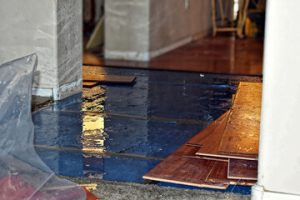
Water damage can have long-lasting effects on both residential and commercial properties, leaving behind more than just visible stains and moisture. From mold growth to weakened structural integrity, water intrusion can severely impact the safety, cleanliness, and value of a property. While many restoration methods focus on removing water, drying surfaces, and repairing damaged materials, one service that often plays a critical role in the full recovery of a property is Water Damage Cleanup Salt Lake City. This high-pressure cleaning method not only removes dirt and residue left behind after water damage but also helps restore surfaces to their original condition.

water damage

Understanding Water Damage and Its Lingering Effects

Water damage can stem from a wide range of sources, including burst pipes, heavy storms, appliance leaks, or drainage issues. Once water enters a property, it spreads quickly, soaking into porous materials, flooring, walls, and structural components. Even after the standing water is removed, surfaces may remain damp and contaminated. These lingering issues often result in staining, mildew formation, mud deposits, and bacterial growth.

One of the biggest challenges property owners face after water damage is dealing with residues and contaminants that are not easily removed by simple cleaning. Dirt, mold spores, algae, and debris can remain on exterior surfaces long after the water has disappeared. This is where power washing becomes a valuable tool. The strength of high-pressure water allows restoration professionals to fully clean surfaces that traditional washing methods cannot effectively address.

The Role of Power Washing in Water Damage Restoration

Power washing helps restore the appearance, safety, and structural health of properties after water damage. This cleaning method uses pressurized water to blast away dirt, mildew, stains, and contaminants, making it a powerful complement to drying and repair services. After moisture extraction and mitigation work is done, power washing helps bring the property back to a clean, sanitized condition.

High-pressure water can effectively remove mud, algae, and sediment that accumulate on surfaces exposed to flooding or consistent moisture. It also helps prepare exterior materials for further repairs, repainting, or sealing by stripping away layers of grime or loose paint. This ensures restoration work is performed on clean, stable surfaces.

In many cases, power washing acts as a bridge between the drying stage and the full recovery phase of water damage restoration. It refreshes surfaces, restores curb appeal, and helps ensure a safer, healthier environment.

Benefits of Using Power Washing After Water Damage

Power washing is not just about improving aesthetics; it also plays a practical role in creating a cleaner and sturdier property. It helps restore surfaces, prevent further damage, and eliminate potential health hazards. Here are some of the key benefits:

Thorough Contaminant Removal

When water damage occurs, contaminants such as dirt, mold spores, and bacteria often cling to exterior surfaces. Power washing removes these harmful materials, preventing them from spreading or causing additional health concerns.

Restores Surface Quality

High-pressure washing cuts through accumulated grime, restoring materials like concrete, siding, stone, and brick. This allows the property to regain its original look without the need for costly replacement.

Prevents Mold and Mildew Growth

Mold and mildew thrive in damp conditions. By cleaning and removing moisture-retaining debris, power washing helps reduce environments where mold can develop.

Prepares Surfaces for Repairs

Before repainting, sealing, or resurfacing, surfaces must be cleaned thoroughly. Power washing creates a clean foundation, ensuring restoration work adheres properly and lasts longer.

Helps Maintain Structural Integrity

Moisture, dirt, and organic growth can weaken materials over time. Removing these contaminants helps protect the longevity and stability of the property.

Boosts Property Value and Appearance

Restoring the condition of exterior surfaces increases overall property appeal, which is especially important for commercial buildings and homes preparing for resale.

Surfaces That Benefit Most from Power Washing After Water Damage

Different materials absorb water in unique ways. Some surfaces trap moisture, while others collect residue. Power washing is highly effective on a wide range of exterior structures, including:

  • Driveways and walkways
  • Floodwaters often leave behind sediment, mud, and stains on flat concrete surfaces. Power washing cleans these completely.
  • Exterior walls and siding
  • Algae and dirt cling to siding materials like vinyl, wood, and composite. High-pressure cleaning helps restore their appearance.
  • Decks and patios
  • Wooden decks, concrete patios, and stone pavers absorb moisture, allowing mold growth. Power washing eliminates grime and helps protect the materials from deterioration.
  • Fences and gates
  • Wood and metal fences exposed to water damage benefit from cleaning to remove buildup and prolong their lifespan.
  • Garage floors and outdoor structures
  • Mud, silt, and chemical contaminants often settle in garages and sheds. Power washing helps eliminate these quickly and thoroughly.

How Power Washing Complements the Water Damage Restoration Process

Water damage restoration typically involves multiple steps, each essential to bringing the property back to a safe and functional condition. Power washing fits into this process by enhancing cleanliness and ensuring surfaces are ready for repairs.

Here is how power washing supports the restoration workflow:

  1. After water extraction and drying
  2. Power washing removes debris and stains that remain after moisture has been eliminated.
  3. Before surface repairs or painting
  4. Restoration professionals rely on power washing to prepare exterior materials for refinishing and coating.
  5. During mold prevention measures
  6. By removing contaminants, power washing reduces environments where mold colonies can grow.
  7. As part of long-term property care
  8. Even after restoration is complete, routine power washing prevents future buildup and keeps the structure in good condition.

By fitting seamlessly into the larger restoration framework, power washing ensures a more complete and long-lasting recovery.

Top Situations Where Power Washing Is Essential After Water Damage

While power washing is useful in most cases of water damage, certain situations make it especially necessary. Below are common circumstances where power washing is highly recommended:

Flooding Events

Floodwaters carry mud, bacteria, and debris that adhere to exterior surfaces. Power washing completely removes these contaminants to prevent future issues.

Storm Damage

Heavy rains and windstorms often leave behind layers of dirt and organic debris on siding, roofs, and walkways. Power washing helps restore exterior cleanliness.

Plumbing or Pipe Failures

Water from broken pipes can cause staining and residue buildup. Power washing clears these marks and eliminates bacteria.

Long-Term Moisture Exposure

Properties that have been damp for extended periods often develop algae and mildew. High-pressure cleaning removes these growths quickly and effectively.

Key Advantages of Hiring Professionals for Power Washing

Power washing may seem simple at first glance, but performing the job incorrectly can cause more harm than good. High-pressure water can damage materials if not used properly. Professional power washing technicians understand how to evaluate surface types and adjust pressure levels accordingly.

Here are a few reasons why hiring experts is often the best choice:

  • They know how to clean different materials without harming them.
  • Specialized equipment ensures deep cleaning.
  • Professionals use proper safety practices to avoid property or personal injury.
  • They can combine power washing with other restoration services for a complete solution.

Skilled technicians also use cleaning solutions that remove stubborn stains without leaving chemical residue behind.

Important Factors to Consider Before Power Washing

Although power washing is a powerful restorative tool, certain factors must be evaluated beforehand to ensure safety and effectiveness. These include:

Material Type

Some surfaces, like older wood or delicate siding, may require soft washing instead of high-pressure water.

Severity of Damage

Surfaces weakened by water damage may need repairs before they can withstand power washing.

Environmental Conditions

Weather, water drainage, and exposure levels influence how effective power washing will be.

Proper Technique

Incorrect angles or pressure settings can damage the surface instead of cleaning it.

Why Power Washing Is an Essential Part of Post-Water-Damage Cleanup

After water damage, restoring a property involves more than removing moisture and repairing structural issues; it also requires thorough cleaning to eliminate contaminants and revitalize appearance. Power washing provides the deep cleaning necessary to restore exterior surfaces, remove residues, and discourage mold growth. It plays a crucial role in bringing properties back to a safe, healthy, and visually appealing condition.

By integrating power washing into the restoration process, property owners can protect their investment, improve curb appeal, and ensure long-lasting recovery.

Power washing stands out as one of the most effective tools in restoring properties after water damage. Its ability to remove dirt, stains, mold, and contaminants makes it invaluable in bringing back the cleanliness and integrity of various surfaces. When combined with professional restoration services, power washing accelerates the recovery process and enhances long-term property care. Whether dealing with storm damage, flooding, or plumbing issues, incorporating power washing into the cleanup plan ensures a more complete and efficient restoration.

Posted in Disaster Clean-up | Tagged , , , , , | Comments Off on How Power Washing Helps Restore Properties After Water Damage

The Subtle Force of Power Wash Transformation

Windsor Power Wash renews what time has quietly worn away. It restores the hidden glow beneath layers of dirt and neglect. The process feels like uncovering memory itself, each spray line rewriting years of exposure. It is both cleansing and creation, where water becomes a sculptor of surfaces.

Power Wash

The science behind power washing has evolved beyond simple force. New systems now regulate temperature, pressure, and droplet size with astonishing precision. This allows cleaning without damaging delicate materials that once resisted traditional methods. It proves that strength can exist alongside gentleness when guided by control.

Modern innovation has turned power washing into an art of micro-adjustment. Intelligent sensors now measure the resistance of every surface, adapting spray intensity in milliseconds. Such systems prevent over-washing while enhancing efficiency. The result is less waste, faster results, and a deeper form of care.

Environmental adaptation has also reshaped the craft. Recycled water systems, biodegradable solutions, and energy-efficient pumps define a new standard. The focus has shifted from brute strength to sustainable precision. Clean no longer means costly to nature.

Power wash today interacts with surfaces in dynamic ways. It no longer strips away indiscriminately but learns through texture. The feedback of the surface tells the system when to slow, when to pulse, when to release steam. It’s a conversation between water and matter.

Researchers are exploring nano-coating reactions initiated by heat and pressure during washing. These coatings form protective barriers that resist grime and weathering. This means that after one treatment, surfaces can stay clean longer than ever before. Longevity becomes an invisible layer of cleanliness.

There is also a psychological aspect to this transformation. Watching a power wash in action satisfies something deep within us. It mirrors renewal, a sense of erasing the unnecessary to reveal truth beneath. In that moment, cleaning becomes symbolic.

Industrial spaces benefit from these advancements too. Complex machinery, once cleaned manually at great risk, can now be maintained using low-moisture, high-impact systems. These techniques preserve mechanical integrity while restoring performance. It’s maintenance elevated to mindfulness.

In architecture, the trend moves toward preservation rather than mere cleaning. Historical structures once deemed too fragile for pressure washing can now be safely rejuvenated. Controlled temperature steam methods prevent damage while restoring fine details. The past is gently reintroduced to the present.

Power washing in urban planning has entered the sustainability dialogue. Municipal systems now integrate automated washing schedules that align with weather data. Rain patterns and humidity forecasts guide when to clean and when to wait. Efficiency is designed into the rhythm of the city.

Portable power wash units are seeing a revolution in compact engineering. Lightweight builds use electromagnetic compression instead of heavy motors. This reduces energy use while maintaining force. The shift points toward mobility and precision combined.

Domestic applications have also become more intuitive. AI-powered controls adjust water patterns based on real-time observation. The system studies previous cleans and learns how to optimize each task. What once required skill now responds to intuition built into the machine.

Power washing has entered the realm of art restoration as well. Gentle micro-mist methods remove soot and dust from sculptures and murals. These systems can detect pigment sensitivity and modify their own force accordingly. It allows heritage preservation without compromise.

Some engineers are experimenting with acoustic-assisted jets. Sound waves combine with pressurized water to create synchronized pulses. This dislodges particles more efficiently while using less energy. It marks a new dimension in fluid mechanics.

The integration of smart sensors in hoses has improved accuracy. They can map surface irregularities and calibrate spray direction instantly. This prevents redundant passes and uneven results. Technology refines what once relied purely on manual instinct.

Industrial cleaning zones now use drone-mounted systems. These machines access high or hazardous areas without risk to human workers. They hover, scan, and wash with precision guided by vision sensors. The once-dangerous becomes routine and safe.

In agriculture, the power wash concept has been adapted for sustainable equipment maintenance. Farmers use controlled low-pressure systems to clean machinery without harming the environment. It ensures productivity and extends the life of essential tools. Cleanliness becomes part of resilience.

The medical industry has borrowed power washing principles too. Sterilization systems mimic pressure-wash dynamics at microscopic levels. Instead of water, they use controlled vapor to cleanse instruments. The same physics that clears grime now safeguards human health.

As design evolves, aesthetics merge with performance. Transparent panels that self-clean through embedded micro-sprays redefine exterior architecture. These innovations stem directly from power wash engineering. The line between cleaning and design fades.

There’s also growing attention to water recovery and filtration. Every drop used in modern systems can be recycled multiple times through layered filtration. This transforms cleaning into a closed, sustainable loop. Purity maintains itself without excess.

Artificial intelligence predicts ideal washing times for outdoor structures. By analyzing dust levels, humidity, and sunlight exposure, systems act before grime becomes visible. Maintenance becomes anticipatory instead of reactive. Surfaces remain effortlessly renewed.

Some projects explore the sensory side of power wash experiences. The sound, mist, and rhythm are studied for their calming effects. Simulated versions are even used in wellness centers as relaxation therapy. Cleanliness becomes emotion.

The philosophy of power washing is shifting toward harmony. It’s not about erasing, but revealing. A mindful process where technology serves restoration, not domination. The goal is clarity, not conquest.

Emerging experiments involve electrostatic-assisted washing. Charged droplets attract dust through polarity instead of sheer pressure. The same energy that once only cleaned now manipulates the laws of attraction. Clean surfaces become a science of magnetism.

The domestic market has begun embracing multi-sensory design. New home units emit gentle fragrances during use, turning a chore into a ritual. Cleaning becomes an act of renewal for both the home and the mind. Function evolves into experience.

Industrial-scale facilities employ automated washing tunnels built from modular smart panels. These structures adapt to the shape of each object entering. The system recognizes geometry and modifies its jets accordingly. Every clean becomes custom, not generic.

In construction, pre-treatment washing ensures better adhesion of paints and coatings. Controlled power wash cycles prepare surfaces by removing micro-debris invisible to the eye. This enhances durability and aesthetic precision. The invisible becomes foundational.

The evolution of materials has changed the way surfaces respond. Hydrophobic coatings allow water to slide without resistance, reducing the force required. These coatings mimic natural patterns found in leaves and shells. Nature inspires engineered efficiency.

Power washing is moving beyond maintenance into performance science. By cleaning solar panels and wind components precisely, energy efficiency increases dramatically. What began as care now fuels sustainability. The cleaner the world, the stronger it runs.

Underwater applications explore marine structure restoration. Specialized systems clean algae and salt deposits without disturbing ecosystems. Sensors detect living organisms and automatically adjust flow. Technology respects life while maintaining balance.

Data-driven systems analyze millions of wash cycles to predict wear patterns. This insight guides both engineering design and environmental strategy. Each wash contributes to collective intelligence. Cleanliness feeds knowledge.

The role of human operators is evolving too. Training now includes digital literacy, environmental ethics, and precision control. The modern cleaner is a technician, artist, and environmentalist combined. Power wash has become a profession of awareness.

Experimental robotics test the boundaries of autonomy. Self-learning machines navigate large-scale cleaning zones without supervision. They build maps, detect stains, and create optimal routes. Efficiency now has consciousness.

Urban architecture increasingly embraces washable design. Smooth contours, hidden channels, and water-guiding curves make maintenance simpler. Buildings are built to be washed, not merely withstand it. Design and cleaning merge into permanence.

Even sound has been engineered to improve comfort. New systems reduce noise by shaping airflow and pulse timing. The result is a near-silent wash powerful enough for industrial use. Peace and power coexist.

The artistry of cleaning has also inspired visual creators. Slow-motion videos of power washing reveal hypnotic patterns and light reflections. It has become a digital art form celebrating transformation. Viewers witness chaos turning to calm.

The tactile satisfaction of restored surfaces connects people emotionally. A driveway, wall, or courtyard reborn from grime can shift perception. Cleanliness changes how people relate to space. It brings pride and presence back into forgotten corners.

Power wash continues to expand into virtual simulation training. Digital environments teach users precision before they ever touch real equipment. This reduces accidents and improves results. Learning becomes immersive and ethical.

Innovators experiment with biodegradable foam layers that lift debris before washing. The foam absorbs particles, reducing water use by half. Sustainability hides in every bubble. The planet benefits from softness as much as strength.

As automation grows, so does craftsmanship. Those who understand the subtle art of angles and pressure remain essential. Machines imitate, but humans still perfect. Mastery stays human even in mechanical times.

The future hints at solar-powered systems using condensed humidity as their water source. Self-sufficient units capable of operating anywhere without supply lines. Freedom and function combined in one flowing motion. The cycle completes itself.

The philosophy behind all these innovations remains simple. Power wash represents transformation through clarity. It teaches that renewal does not require destruction, only balance. To clean is to respect what already exists.

The next frontier may involve nanobubble technologies. These microscopic spheres explode gently on contact, dislodging particles too fine for regular spray. The effect is a molecular ballet of precision. Cleanliness reaches atomic intimacy.

The deeper lesson within this evolution is harmony between energy and matter. Each droplet becomes a bridge between technology and environment. Every surface, once forgotten, becomes part of an ongoing renewal. Power wash embodies that renewal endlessly.

Through every pulse, there’s an echo of human intention. We seek to uncover, not erase. To restore what’s valuable beneath what’s temporary. In that balance, the power wash continues to evolve as both a tool and a philosophy of transformation.

Posted in Power Washing | Tagged , , , , | Comments Off on The Subtle Force of Power Wash Transformation

The Importance of Hiring a Piano Moving Company

Moving Company

Piano movers know how to handle these instruments safely and effectively. They use custom dollies, straps, and pads to reduce the risk of damage during transport. They can also provide specialized moving services for other large musical instruments.

The type and size of the piano will influence the price of the move. Accessibility challenges such as narrow hallways and stairwells can also increase the cost. Visit https://www.mountainpiano.com/ to learn more.

Pianos are expensive, heavy and extremely delicate instruments that require special care during relocation. Even a small scratch can reduce its value significantly, so it is important to hire professional movers that have the knowledge and experience needed to handle these pricey devices. Whether you own an old upright or a brand new grand, moving a piano requires skill and patience.

The cost of piano moving varies depending on the size and type of instrument, as well as the distance of the move. Local moves within the same city or state tend to be cheaper than long-distance relocations. Additionally, the complexity of the move can increase costs. For example, if the piano needs to be hoisted over a balcony or brought in through a window, these tasks will require additional time and labor.

In addition to the cost of the movers, the total price of a piano move often includes insurance coverage. This insurance covers the possibility of damages or accidents during transit, and it is typically a necessary expense for anyone moving a high-value instrument.

Piano movers are trained to handle each step of the relocation process with precision and care. They know how to protect the instrument from damage, and they can also disassemble and reassemble it as required. This can help them navigate challenging spaces such as narrow hallways, stairways and doors. In some cases, they may need to keyboard a piano, which is the process of removing the front keybed and keys to make it easier to move through tight spaces.

Hiring a piano moving company is an investment, but it is well worth the money to ensure that your precious instrument arrives at its new home in good condition. Whether you own an old upright or an elegant grand, hiring the right movers can save you from costly repairs and restorations down the road. A quality piano moving company can also provide custom packaging, wrapping and crating for your device. In addition, they can offer a variety of services for older or antique pianos, such as restoring their soundboard and tuning.

Custom Packaging

Whether you own a baby grand or an elegant grand piano, moving these instruments requires specialized expertise and the right equipment. Professional movers can offer custom packaging services to protect your investment. They can wrap and crate your instrument, as well as load and unload it in your new home. They can even disassemble the keys, pedals, and lid for a more efficient move. They can also use a crane and custom dollies to transport your piano without damage.

High-end pianos are more than just musical instruments; they are cherished treasured possessions that often carry significant financial or sentimental value. Specialized piano moving companies can provide expert handling, customized packaging, and precision tuning to ensure that your prized instrument remains in good condition during the relocation process.

One of the most common mistakes people make when moving is attempting to handle heavy and bulky items like pianos on their own. This can lead to back injuries and bruised egos, as these heavy items can be difficult to maneuver. Professional movers have the training and experience to properly lift and transport these large items. They know how to maneuver large, bulky items through narrow hallways and doors.

Pianos are extremely expensive and fragile. One wrong move can cause permanent damage to the instrument, rendering it useless. This is why a person should hire the professional movers who can provide the best service. A professional will not only take care of the entire moving process but will also provide storage space for any extras.

When it comes to shipping pianos, it is important to choose a reputable company that offers insurance coverage. This will cover any damage or loss during the shipment. Moreover, you should always check the company’s reputation before hiring them. You should also look for online reviews and testimonials to see how the company has performed in the past.

EarthRelo provides top-notch end-to-end piano shipping services for both commercial and residential clients. Their team of professionals can customize the packaging, crating, and assembling of pianos, as well as coordinate pickup and delivery and provide tracking for all shipments. They can even help you arrange shipping for your other heirlooms and precious items, including antiques and art pieces.

Disassembly

Pianos are beautiful works of art that fill the room with an awe-inspiring sound. However, they are incredibly heavy and delicate instruments that are easy to damage during the moving process. This is why it’s important to hire a team of professional piano movers to take care of the heavy lifting for you. While you can move a piano on your own, it requires special equipment like dollies and straps designed for the instrument. It also requires the help of friends or family members who are strong enough to lift it. In addition to these supplies, you will need to purchase a ramp and cover the instrument in blankets for protection from scratches. It is also important to consider the cost of transportation when calculating your budget.

Disassembling a piano is an intensive process that requires patience. First, you must unscrew the outer pieces and expose the inner parts of the instrument. After this, you must remove the strings and hammers. You must also remove the keys and pedals. Once the piano is disassembled, you can place it on a dolly centered over its heaviest portion. Once the piano is in position, use a ramp to load it into your vehicle. Finally, cover the entire instrument with blankets and tape to protect it from scratches and dents.

Attempting to move a piano without professional help is highly discouraged, and for good reason. Not only can it be dangerous for those who aren’t used to handling such a large, heavy object, but it can also be expensive. One wrong move could cause serious damage to the instrument, resulting in costly repairs that can be difficult to fix.

While you can move a spinet, console, or studio upright piano on your own, it’s best to enlist the help of a team of professionals. Experienced piano movers can safely and securely take apart the instrument and ensure that it’s protected during transport. They’ll even reassemble your piano in its new home for you! For the best results, hire a piano mover with years of experience.

Reassembly

Professional piano movers are skilled at moving high-end instruments, including baby grand pianos. They use special equipment and follow specific techniques for safely transporting these large, heaviest, delicate, and sometimes oddly-shaped pieces of furniture. They know how to prepare a home and truck for the move and how to get the piano through doors, stairs, and hallways without damage. They also understand the unique features of each type of piano and how to properly secure them for transportation.

They will start by clearing a path through the home to ensure that the piano can fit. They will remove items on top of or inside the piano, such as music sheets and lamps. They will then cover the piano with padded blankets to protect it from scratches and other damage during transit. They will also remove the piano’s legs and pedals, wrapping each one individually in blankets to prevent them from getting damaged or sticking. The movers will then carefully lift the piano onto a dolly that is centered under its heaviest part and secure it with straps. They will then load the piano into a truck or other vehicle designed to transport these kinds of large, bulky instruments.

The movers will use dollies, cranes, and other customized equipment to maneuver the instrument through doors, stairwells, and elevators. They will also take care to protect the interior of the piano from damage, which is particularly important because high-end pianos often have a precise tuning that can be easily disrupted during a move. In addition to their expertise in handling and transporting these delicate musical instruments, professional piano movers are trained in logistics and planning, which can be critical for a successful move in an urban environment like New York City.

Whether you are moving across town or across the country, these professionals will be able to handle the job with ease and precision. Their services include custom packaging, reassembly, and precision tuning, which will help you to avoid costly repairs and keep your investment safe and sound for years to come. They will work quickly and efficiently, making sure that the process is as smooth and stress-free as possible.

Posted in Movers | Tagged , , , , , , , | Comments Off on The Importance of Hiring a Piano Moving Company

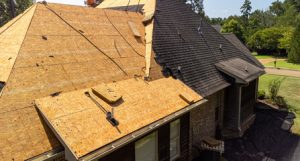
Proper Planning is the Key to a Successful Roofing Installation

Proper planning is the key to a successful roofing installation. Reputable contractors follow manufacturer guidelines and obtain necessary permits in advance to avoid project delays and ensure compliance with local building codes.

Roofing

A reputable roofing contractor will also take precise measurements to create an accurate estimate for materials and services. This step is important for ensuring that your roof fits your structure and reducing material waste.

Choosing the right roofing materials is one of the most important decisions homeowners make when installing a new roof. A quality roofing material can help a home resist harsh weather conditions, save energy, and boost its curb appeal and value. But with so many choices available, it can be difficult to narrow down the options. To help with this process, homeowners should consult with roofing professionals who can offer valuable insights into the advantages and limitations of each type of roofing material.

The type of material selected is also influenced by the climate in which the property is located. For example, areas with heavy snowfall may need to choose a steeper roof pitch and a metal roof that will prevent ice dams. Likewise, hot and sunny climates may require roofing materials that have superior insulation capabilities to minimize cooling costs.

In addition to the roofing material, the choice of underlayment and waterproofing barriers is essential. This will help protect against moisture intrusion, extending the lifespan of the roofing system. Proper installation techniques are key to ensuring these barriers are effective, including proper overlapping and sealing around protrusions like chimneys, wood stove pipes, certain vents, and hip roofs.

Additionally, the selection of fire-resistant roofing materials is particularly important in areas that are prone to wildfires. While costly, they can significantly extend the lifespan of a roof and provide peace of mind to homeowners.

Developing a Comprehensive Installation Plan

A detailed installation plan ensures that each stage of the process is managed effectively. This includes identifying resource requirements and assigning personnel based on their skill sets and experience. It also involves creating a realistic timeline, taking into account potential delays caused by equipment shipping or weather conditions. In addition, contingency plans must be developed to address unforeseen challenges that may arise during the installation process.

Thorough site surveys are also essential, as they help identify any issues that could impact the installation process. These include safety hazards, compliance standards, and power supply. In addition, the survey should also cover any preparations required for the installation, such as clearing space or reinforcing structures. This helps minimize disruptions and reduces costs. It also ensures that the project meets local regulations and requirements.

Creating a Contingency Fund

Creating a contingency fund is an important step in the project planning process. It helps protect a project from unforeseen costs, as well as the potential impact to the schedule and budget of a major construction project. It also allows for flexible adjustments to the project plan, which can save time and money when unexpected problems arise.

Typically, it’s best to establish a contingency percentage of the total cost estimate, but this varies by industry. It’s also essential to clearly define the parameters of how a contingency should be used, so that there are no misunderstandings about which expenses will be covered by the fund.

Unforeseen issues like weather, material shortages, and other supply chain problems are common causes of budget increases on large projects. Having a contingency fund in place ensures that these issues won’t derail the project and create additional expenses for both the contractor and the client.

The same is true for other unplanned expenses, like upgrades and changes to the original design. While these can be desirable, they should be carefully evaluated before spending any of the contingency funds to make sure that they are truly necessary. Regular communication between the contractor and the client can help them decide how to best use their contingency fund.

During a roofing installation, the home will be surrounded by dust and debris, so it’s important to make arrangements for children and pets to leave the house during the work. Keeping them away from the work area can keep them safe, and it will allow for better focus on the project. Additionally, it can minimize distractions and interruptions that could otherwise interrupt their naps or outdoor playtime.

Obtaining Permits

Getting permits for your roofing work is a vital step to ensure that the job meets local safety standards and building codes. It also safeguards the structural integrity of your home and provides peace of mind that the work is performed by a professional. Conducting roofing projects without proper permits can have serious legal repercussions, especially in cases where there are structural issues or injuries. In addition, many insurers require that any significant work be completed with a permit before they will cover damages.

Moreover, permitting requirements help maintain community standards and ensure that the work is in line with the aesthetic and structural integrity of the neighborhood. Ultimately, this plays a critical role in protecting your property value and can make it easier to sell or refinance your home in the future.

The best way to determine if your roof replacement or repair requires a permit is to contact your local building department. The staff will be able to provide you with information about the specific permit requirements and explain the process for applying.

Reputable roofing contractors will often manage the permit application process on behalf of their clients, which can save you time and hassle. Additionally, a reputable roofing contractor will take the time to cross-check building code requirements before planning the project, which can prevent costly revisions later on. This is a mark of their professionalism and shows that they understand municipal regulations. It also indicates that they are committed to delivering high-quality, safe, and code-compliant roofing work. Finally, a permit is evidence that the work has been inspected and approved, which can provide a sense of security when it comes to insurance claims in case something goes wrong.

Preparing the Site

Depending on the scope of work and the roofing contractor chosen, site preparation will vary. But there are some standard preparation tasks that all contractors should undertake prior to starting the job. These include:

Clearing the Work Area

Setting up a staging area with safety rails is essential for any roofing project. This will protect plants, landscaping and driveways from damage and minimise tripping hazards. It is also important to check the weather forecast and try to avoid working in wet conditions as this increases the risk of accidents.

The contractor should also discuss the work schedule and what to expect during installation. This will help to reduce surprises, which can lead to costly delays. It is also a good idea to let the contractor know if there are any gates or doors that need to be shut during the project and to discuss how noise may impact neighbors, pets and children.

The contractor should also discuss how payment will be handled. This will help to set expectations for what will be expected, how it will be collected and how long it might take for payment to be received. The contractor should also provide an outline of any extra costs that might arise during the course of the work, such as if it is necessary to remove and replace shingles due to damaged decking or other issues that are discovered once the original roof has been removed.

Posted in Roofing | Tagged , , , , , , , , , | Comments Off on Proper Planning is the Key to a Successful Roofing Installation

What Does a Roofer Do?

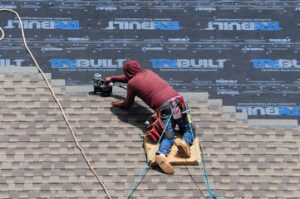
Roofers, also known as roofing contractors or shingle installers, specialize in the installation and repair of roofs on commercial and residential structures. They often work at heights and must abide by stringent safety procedures.

Roofing

Roofing professionals’ skills protect buildings from the elements, preserving structural integrity and insulation. They frequently work with a variety of roofing materials, including fiberglass and asphalt shingles, slate or concrete tile, and metal. Contact Roofers Helena MT for professional help.

Roofers skillfully install, repair, and replace the roofs of homes and buildings to keep water out and interiors safe. They use a wide range of roofing materials, including shingles, bitumen, and metal. They also inspect roofs to make sure they comply with construction plans and regulations. In addition, roofers must have strong physical endurance because they often work high off the ground.

A dependable roofing contractor will provide clients with an accurate estimate of costs and timelines. They will also explain the different types of roofing materials and their benefits. They will never ask for large upfront payments, and they will negotiate fair payments on a reasonable schedule. They should also follow strict safety protocols to ensure the well-being of their team and clients.

Choosing the right roofing material is an important decision for any homeowner. It must be able to stand up to the elements in Monmouth County, from humid summers to freezing winters. The best roofing materials are long-lasting, require little maintenance, and offer superior weather resistance.

The roofing process can be complex, and it is vital that the roofer you choose has extensive experience in the field. Inexperienced roofers may encounter unforeseen problems that can delay the project or result in costly repairs down the road. Experienced roofers are able to identify and address potential issues before they become major headaches.

To start the job, roofers remove existing roofing materials and prepare the roof deck. They then apply underlayment, which is usually felt paper or a synthetic product, to prevent water damage. Roofers then lay the shingles or other roofing material, which is typically asphalt shingle or fiberglass shingle. They may also apply flashing, which is a sheet of metal placed at joints to prevent leaks.

Roofers must be knowledgeable about all types of roofing systems, from low-slope to steep-sloped roofs. They must be able to repair leaks and other problems with flat or low-slope roofs, as well as install more complicated roof systems such as EPDM, TPO, PVC, and metal. In addition, they must understand the special specifications and requirements of commercial roofs.

Repair

Roof repair is a major part of the job for many roofers. This can include patching small holes, cracks, or other damage to the surface, as well as assessing and repairing more severe issues such as structural damage, mold, or rot. Depending on the extent of the damage, it may be necessary to replace sections of the roof entirely. In these cases, roofers must ensure that the new area is properly sealed and anchored to prevent future leaks. Roofing professionals also might install additional drainage points or slightly modify the slope of a roof to improve its ability to shed water and snow more effectively.

To perform these tasks, roofers must be comfortable working at heights and using a variety of tools and materials. Typically, they will start by visually inspecting the roof to identify problem areas. They will then clear away debris and, if necessary, set up ladders or scaffolding to gain access to the damaged area. Once there, they will carefully remove any shingle that has been cracked or broken, being careful not to disturb the surrounding tiles. They will then use sealant or a rubber membrane patch to fill in the damaged area and ensure that it is properly sealed.

Maintenance

Roofers are responsible for installing, repairing, and maintaining the roofs of buildings to protect them from water damage, weather, and other hazards. They use a wide range of tools and materials including metal panels, shingles, tiles, slate, and even green roofing systems. They also need to have good communication skills and be able to explain technical information to customers in an easy-to-understand way. Because roofers frequently work at heights, they must also have a strong physical endurance and be skilled in using safety equipment.

During the installation of a new roof, roofers must take detailed measurements to determine the amount of materials needed. They then construct a framework and attach the roofing material of choice, whether it’s traditional asphalt shingles or more energy-efficient green options. In addition, roofers must be able to properly seal and weatherproof the areas around chimneys, vents, and other rooftop structures.

After completing a roof installation, roofers must perform standard maintenance and inspections to ensure that the roof is in good condition. This may include removing debris, cleaning gutters, and assessing any potential problems with the structure or materials. Roofers can also repair leaks, replace damaged shingles, and repair flashing.

As an alternative to repairing a leaking or damaged roof, some homeowners opt for a complete roof replacement. This can be a costly investment, so it’s important for homeowners to hire a qualified professional. Roofers with extensive experience in a variety of roofing materials and structures can provide high-quality craftsmanship and an efficient installation or replacement process.

Roofers have a distinct advantage over other construction workers because they must be skilled in both manual labor and working at heights. They also must be able to adapt to different situations, as they often encounter unique challenges that require creativity and problem-solving. This makes the career of roofer an excellent option for people who enjoy challenging and exciting work that offers a steady income.

Those interested in becoming roofers can receive on-the-job training with an experienced contractor. This program teaches new roofers the necessary skills for the occupation, such as preparing work areas and erecting scaffolds and ladders. In addition, they learn about the various types of roofing materials and how to install and repair them. After gaining some experience, roofers can choose to specialize in a particular area of the field or open their own roofing company.

Sales

Roofers spend a lot of time selling their services. They also spend a lot of money on marketing, sales follow-up and payroll. If they drop the ball on any of these things, it can quickly put them out of business.

Prospects often raise a variety of objections when trying to buy from roofers, including lack of need, expense and satisfaction with their current provider. It’s important for roofers to be prepared to refute these objections and explain how their services are different from the competition.

Roofers also have a unique advantage when it comes to purchasing materials, as they can often get better deals on wholesale supplies than average homeowners can. This can save them a lot of money on their projects.

Posted in Roofing | Tagged , , , , , , , , , | Comments Off on What Does a Roofer Do?

Why You Should Partner With a Pool Builder

Pool Builders The Woodlands have strong supplier networks and access to high-quality materials. This ensures you get the best pool liners, tiles and energy-efficient equipment for your project.

pool

When looking for a pool contractor, seek out recommendations from friends and family members who have worked with one in the past. Online reviews and testimonials can also provide valuable insights into the contractor’s quality of work.

Building a pool requires expert knowledge of design trends and construction practices, as well as local health and safety codes. In addition, pool builders must possess ingenuity and dedication to transform backyards into stunning, functional retreats. When searching for a reputable contractor, look for reviews and references from past clients to gain insights into the quality of work and customer service they provide.

Licensed contractors also offer access to industry resources that can make your project more efficient and cost-effective. For example, a professional will have connections with reputable suppliers that provide high-quality materials for your pool. These materials are designed to withstand environmental pressures and heavy use, saving you money on future maintenance.

A dependable builder will discuss your project with you at every step, providing a clear estimate that includes all costs for the pool itself as well as any optional features you might like to add. They will also stick to the agreed timeline and communicate regularly throughout the construction process, allowing you to rest easy knowing your dream pool will be finished on time.

Before construction begins, experienced pool builders will assess your property to identify any challenges that could affect the project. This involves measuring the site, evaluating soil conditions, and checking for any zoning or homeowner association restrictions. This prevents the builder from using faulty construction methods that could lead to costly repairs later on.

Experienced pool builders are also skilled in constructing custom pools and spas. Their expertise helps them design unique layouts, ensuring the final product reflects your personal style and fits the property. Additionally, they can help you select the right water features, such as automated control systems that allow you to turn on the lights or increase the temperature of your pool from the comfort of your home.

When selecting a contractor, ask about their years of experience in the field and how many projects they typically complete each year. The more experienced a builder is, the more likely they will be to deliver superior results. Ask about their qualifications, including certifications such as Certified Pool Builder Professional (CBP) and International Watershape Institute.

Customization

A pool is more than just an exercise or entertainment destination—it can be a luxurious escape and the center of your outdoor oasis. A custom pool builder works with you to bring your vision to life. They will create a blueprint that includes specifications for the pool’s size, shape, and depth, as well as plumbing, filtration, and lighting. They will also help you select materials and add-ons for the deck, coping, and surrounding landscaping to match your aesthetic preferences.

A custom pool builder can also add features that complement and elevate the overall design, such as water and fire elements. They can include a poolside bar with stools to provide a fun and relaxing spot for socializing. They can also add a hot tub or spa for relaxation and hydrotherapy. In addition, they can install unique and colorful interior finishes and use decorative tiles to add color and texture.

They can even add waterfalls, LED lighting, and automated control systems to turn your pool into a full backyard experience. These features can transform your backyard into a sophisticated setting for entertaining guests or an elegant retreat for soaking in the sun.

During the design process, it is important to consider how your family will use your pool. If you have children, for example, you may want to choose a shallower pool for safety. If you plan to host many parties, you may want a large area for seating and a bar. During this stage, it is also important to discuss the budget and timeline for the project.

Once the initial design is completed, pool builders will assist with securing the necessary permits and approvals from local authorities. They will also create a construction schedule that includes the steps involved with each phase of the build. They will update homeowners frequently throughout the process, so they know what to expect.

When evaluating potential pool builders, it is important to look for a company with a proven track record and excellent customer reviews. You should also check that they are licensed and insured to guarantee that their work is done according to local laws and regulations.

Efficiency

If you’re planning to add a pool to your property, partnering with an experienced professional will ensure that your project runs smoothly and on time. A qualified Pool Builder will handle the excavation, plumbing, and electrical work as well as any necessary inspections and permits. This will save you time and money that you would spend attempting to do the work yourself.

Reputable pool builders will hold all the necessary licensing and insurance that allows them to operate legitimately in your area. This includes a C53 license for the construction of swimming pools. Additionally, they will be familiar with local zoning laws and permit requirements for new pool construction. This can prevent costly mistakes and legal complications that could derail the entire project.

Experienced pool contractors also develop streamlined construction processes that reduce waste and speed up the process. They use high-quality materials to ensure long-term durability and strength, which can save you money in the future. In addition, they will use advanced waterproofing techniques that protect the structure from moisture damage.

Energy efficient pool features like variable speed pumps, solar heating systems and LED lighting reduce energy usage and increase your savings. These innovations allow you to enjoy a luxurious pool without straining the environment in Baton Rouge.

When building a new pool, there are several factors that influence the final cost. A skilled pool builder can help you determine the best features for your budget. They will take into account your preferred aesthetic, lifestyle and sustainability goals to make a personalized design that suits you.

The specialized tools and equipment used by Pool Builders streamline the entire construction process, minimizing waste and saving you money. They will also install a quality filtration system that is designed to operate with the least amount of energy. They will also size the pump correctly, which can reduce your utility bill by up to 25% compared with conventional models. Additionally, they will recommend using the latest pool-specific automation systems that can control everything from water temperature to chemistry. These systems are easy to operate and can provide you with the peace of mind that your pool is running as efficiently as possible.

Safety

A pool should be a place of fun and relaxation, but it’s important to ensure that safety measures are in place. Proper construction and maintenance, proper education about swimming and pool rules, and the use of effective barriers are critical to ensuring the safety of all swimmers.

Reputable pool builders follow strict regulations during the building process. These steps ensure quality construction and compliance with safety standards, which reduces liability for pool owners and provides a safe environment for all pool users. They also ensure that the pool complies with local regulations and is constructed in an area that’s free of hazards like steep slopes or electrical wires.

Community awareness campaigns are another essential component of pool safety. These campaigns inform people about the dangers of non-compliance with safety norms and help raise awareness about the importance of vigilant supervision and adherence to pool safety protocols. These campaigns can be conducted through workshops, brochures, and active demonstrations.

Pool fences and gates are essential to preventing access to a pool from outside the property and prevent unsupervised entry by children and pets. Adding alarms to these gates and securing windows that provide direct access to the pool can further improve safety. Additionally, implementing the buddy system when swimming increases safety by ensuring that one person is always in sight of another.

In addition to ensuring that the pool is in good working condition, it’s crucial to keep life rings and rescue hooks close by for emergency response. It’s also a good idea to enroll toddlers in swimming lessons, as these can significantly reduce drowning risks and promote cognitive skills while increasing water confidence.

In the long run, investing in high-quality materials during pool construction saves money in repairs and maintenance expenses. It’s also beneficial to choose pool supplies SC that are slip-resistant and offer rounded edges, which prevent injuries from sharp objects. Finally, regular inspections and maintenance of the pool can spot any issues early on and prevent accidents from occurring. These precautions can turn your dream pool into a fun, safe haven that your family can enjoy for years to come.

Posted in Pool Services | Tagged , , , , , | Comments Off on Why You Should Partner With a Pool Builder

The Benefits of Pressure Washing

Purchasing a gas powered pressure washer can save you hours of scrubbing and time spent on tedious tasks like tackling stubborn mildew or moss. But the benefits of a professional-grade pressure wash go far beyond simply saving you time and effort.

Dirt, moss, bird droppings, and mold growth are not just unattractive, they can also wear away at building materials and cause structural damage. Regular cleaning prevents these problems and saves on costly repairs in the future.

Prevents Damage

The buildup of dirt, grime, mold, mildew, moss, and algae can degrade surfaces over time, leading to costly repairs. Routine pressure washing eliminates these substances before they cause long-term damage, extending the lifespan of your exterior surfaces.

Built-up grime eats away at paint, concrete, and wood. Moss and fungi hold moisture against surfaces, accelerating deterioration and weakening structural integrity. In addition, dirt and debris clog gutters and downspouts, redirecting water flow to undesirable areas. Pressure washing these areas ensures proper drainage and protects the foundation of your home.

A professional pressure washer uses nozzles and pressure settings appropriate for each surface to avoid stripping protective layers or causing surface abrasions. For example, softwoods, painted surfaces, vinyl siding, and brick are better off with a low-pressure “soft wash.” This method uses less force but still effectively cleans the materials.

When handled improperly, a pressure washer can be dangerous. Professionals use the right equipment and know how to safely operate it. If you’re using one at home, follow the instructions to avoid injury and keep your family and pets safe. For example, keep the nozzle well away from windows and other delicate objects that could be broken or damaged by high water pressure. Also, mind where you place the hoses and power cords to prevent kinking and tripping hazards.

Prevents Allergies

Allergens cling to outdoor surfaces and can trigger unpleasant symptoms, ranging from sneezing and itchy eyes to more severe respiratory problems. Fortunately, regular pressure washing can eliminate these substances and create a cleaner living environment.

Allergen-producing materials like dirt, mildew, and pollen gather on outdoor surfaces and may become airborne when exposed to sunlight or wind. When they reach the home, these allergens can aggravate indoor allergies and cause them to become airborne, causing even more allergic reactions.

Pressure washing is an effective way to prevent allergens from entering the home and triggering allergic reactions in family members. The high-powered water blasts effectively dislodge the microscopic particles of mold spores, pollen grains, and other substances from outdoor surfaces. It is recommended that professionals use a specialized wide-angle or rotating turbo nozzle to avoid damage to delicate surfaces and ensure that the right amount of pressure is applied to each surface.

Allergens tend to accumulate on certain outdoor surfaces, including walls, patios, and driveways. It is recommended that professionals focus on the most critical areas, such as the eaves, overhangs, and gutters, which can be prone to mold growth. They also recommend cleaning decks and outdoor furniture to reduce allergen accumulation. In addition, it is essential to schedule routine cleaning of these outdoor spaces to ensure that allergens do not become airborne and infiltrate the home, triggering allergy symptoms.

Prevents Vermin

Over time, dirt, grime, moss, and other organic materials accumulate on and around your home. These elements provide shelter and food for pests, such as ants, spiders, rodents, and insects. Pests are attracted to dark environments and moist areas where they can hide, breed, and scavenge. By removing these attractants, regular pressure washing helps prevent infestations and enhances your pest control efforts.

Standing water around your home’s foundation creates ideal breeding grounds for mosquitoes and other pests that carry diseases. Dirty gutters, clogged downspouts, and moldy siding also trap moisture, encouraging the growth of bacteria, mildew, and other organisms that feed on and damage various exterior surfaces. Pressure washing removes these traps and sanitizes surfaces, deterring many pests from breeding or nesting in the first place.

As an added benefit, combining pest control with pressure washing helps eliminate entry points into your home that pests like termites, ants, and spiders use to enter and invade. Pressure washing your home’s exterior surfaces, especially the crevices of your doors and window frames, garages, outdoor storage areas, and garbage bins, disrupts these pest pathways, making it harder for them to gain entry. Soft washing can also eliminate spider webs and egg sacs, dislodging current wasp populations. It is important to note, however, that soft washing does not guarantee permanent wasp extermination, as wasps are beneficial predators that naturally recolonize outdoor spaces over time.

Saves Money

In the long run, regularly pressure washing your property saves money. Not only does it remove debris, dirt, mildew, moss, and other contaminants that can cause damage over time, but it also enhances curb appeal. When prospective buyers and tenants see that your home is well-maintained, they are willing to pay more for it. This makes your property more valuable in general, saving you the hassle of having to find a new buyer or tenant.

A professional will know how to properly operate a pressure washer to avoid damaging your property. They can adjust the pounds per square inch (PSI) to exactly what your surface needs to get clean without causing any damage. For instance, a wood deck requires a lower PSI than a concrete patio. This also includes knowing what to use and what not to use—a soft wash is best for cedar siding, asphalt shingles, and other delicate materials that can be damaged by high-powered water sprays.

Additionally, hiring professionals is much cheaper than trying to DIY your pressure washing. If you try to power wash your own house or apartment building, you could end up causing costly damage. Plus, it takes a lot of time to learn how to properly operate a pressure washer. It is easy to overdo things and end up destroying your siding or outdoor furniture.

Posted in Uncategorized | Comments Off on The Benefits of Pressure Washing