
A roof is one of the most important components of any home, serving as the first line of defense against rain, wind, sunlight, temperature changes, and other environmental conditions. While it is easy to overlook a roof when everything appears to be functioning properly, its performance directly affects the comfort, safety, energy efficiency, and structural integrity of the entire property.
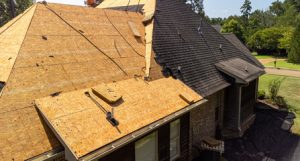
A properly installed roof protects not only the building itself but also the people and belongings inside it. Because roofing installation is a significant investment, homeowners should understand the process, available materials, essential preparation steps, and ongoing maintenance requirements before beginning a project. Whether constructing a new home or replacing an aging roof, making informed decisions from the start can help ensure long-lasting performance and minimize costly repairs in the future. Find out more at https://diamondconstructionwa.com/.
Roofing installation involves much more than attaching shingles or panels to the top of a building. Every roofing system consists of multiple layers that work together to create a durable barrier against moisture, heat, and weather. These components include the roof deck, underlayment, flashing, ventilation systems, fasteners, insulation, drainage features, and the visible roofing material itself. Each element serves a specific purpose, and the effectiveness of the entire roofing system depends on proper installation. Even premium materials may fail prematurely if they are installed incorrectly, making workmanship just as important as product selection.
One of the first decisions homeowners face is determining whether their roof requires repairs or complete replacement. Minor issues such as a few missing shingles or localized flashing damage may be resolved through repairs. However, roofs showing widespread deterioration, multiple leaks, extensive storm damage, or advanced age often benefit more from complete replacement. Installing a new roof provides the opportunity to upgrade materials, improve ventilation, enhance energy efficiency, and address hidden structural issues that repairs alone cannot resolve. Although replacement represents a larger initial investment, it frequently offers greater long-term value by reducing recurring maintenance costs and extending the lifespan of the home’s protective envelope.
Planning plays a major role in the success of any roofing installation project. Before work begins, the existing roof is carefully evaluated to identify structural concerns, moisture damage, ventilation deficiencies, and any weakened decking that may require replacement. Accurate measurements ensure that the correct amount of materials is ordered, helping avoid delays and unnecessary waste. Homeowners should also consider how local weather patterns, roof slope, surrounding vegetation, and long-term maintenance expectations may influence the selection of roofing materials. Taking time to plan each stage carefully contributes to a smoother installation process and more reliable results.
Modern roofing systems offer a wide variety of material options, each providing unique advantages. Asphalt shingles remain one of the most popular choices because they offer affordability, versatility, and dependable performance for many residential properties. Metal roofing has gained popularity due to its exceptional durability, energy efficiency, and long service life. Clay and concrete tiles provide distinctive architectural appeal while offering excellent resistance to harsh weather conditions. Wood shakes create a natural appearance but require consistent maintenance to preserve their condition. Synthetic roofing materials continue to evolve as manufacturers develop products that combine durability with attractive aesthetics. Selecting the right roofing material involves balancing appearance, longevity, maintenance requirements, climate considerations, and budget.
Proper preparation before installation helps ensure the roof performs as intended for many years. Existing roofing materials must typically be removed to expose the roof deck, allowing any hidden damage to be identified and repaired before new materials are installed. Rotten wood, weakened framing, or moisture-damaged sheathing should be replaced to provide a solid foundation for the new roofing system. Once repairs have been completed, underlayment is installed to create an additional moisture barrier beneath the visible roofing material. Flashing is then carefully positioned around chimneys, vents, valleys, skylights, and other roof penetrations where leaks are most likely to occur. These preparation steps are essential because they establish the foundation upon which the entire roofing system depends.
Several key components work together to create a reliable roofing system:
- Roof decking, underlayment, flashing, ventilation, and drainage systems provide structural support while protecting against moisture infiltration and promoting proper airflow.
- The exterior roofing material serves as the visible protective layer, shielding the home from environmental exposure while contributing to its overall appearance and energy efficiency.
Each component must be installed correctly to ensure the roofing system functions as a unified barrier against the elements.
Ventilation is one of the most overlooked aspects of roofing installation, yet it significantly influences both roof performance and indoor comfort. Without adequate airflow, heat and moisture accumulate within the attic, accelerating the deterioration of roofing materials and increasing the risk of mold growth, wood rot, and insulation damage. During warmer months, trapped heat forces cooling systems to work harder, increasing energy consumption. In colder conditions, inadequate ventilation may contribute to condensation that damages structural components over time. Proper intake and exhaust ventilation allow air to circulate naturally, helping regulate attic temperatures, reduce moisture accumulation, and extend the lifespan of the roof.
Water management is another critical element of successful roofing installation. Even the most durable roofing materials cannot perform effectively if rainwater is not directed away from the structure. Roof slopes, valleys, flashing, gutters, and downspouts work together to channel water safely away from the home. Poor drainage can lead to standing water, foundation problems, siding damage, landscape erosion, and interior leaks. During installation, careful attention is given to these drainage features to ensure water flows efficiently under a variety of weather conditions.
Energy efficiency has become an increasingly important consideration for homeowners selecting new roofing systems. Roofing materials influence how much solar heat is absorbed or reflected, directly affecting indoor temperatures throughout the year. Certain materials are designed to reflect more sunlight, reducing heat transfer into the home during warm weather. Combined with proper attic insulation and ventilation, an energy-efficient roofing system helps maintain more consistent indoor temperatures while reducing heating and cooling costs. These improvements contribute not only to household comfort but also to long-term operating savings.
Safety is another essential aspect of roofing installation. Roofing projects involve working at significant heights, handling heavy materials, using specialized equipment, and navigating sloped surfaces that may become slippery due to weather conditions. Proper safety procedures protect both workers and homeowners throughout the installation process. Securing ladders, using fall protection systems, maintaining organized work areas, and carefully handling tools all contribute to reducing the risk of accidents. Homeowners should also understand that roofing is not typically considered a suitable do-it-yourself project due to the technical knowledge and safety requirements involved.
Weather conditions greatly influence the timing and success of roofing installation. Dry conditions generally provide the best environment for removing old materials, repairing roof decks, and installing new roofing systems. Rain, high winds, or extreme temperatures can delay progress and potentially affect installation quality if work proceeds under unfavorable conditions. Careful scheduling helps minimize disruptions while ensuring materials are installed according to recommended practices that support long-term durability.
Routine maintenance following installation is essential for maximizing the lifespan of any roofing system. Although modern roofs are designed to withstand years of environmental exposure, periodic inspections help identify small issues before they become major problems. Leaves, branches, and debris should be removed regularly to prevent moisture retention and clogged drainage systems. Flashing should be checked for signs of movement or deterioration, while shingles or panels should be inspected for damage after severe weather events. Addressing minor concerns promptly often prevents expensive repairs later.
Homeowners can help extend the life of their roof by following several preventative maintenance practices:
- Inspect the roof periodically, keep gutters clear, remove accumulated debris, trim overhanging tree branches, and address minor damage before it spreads.
- Monitor attic ventilation, check for signs of moisture intrusion, inspect ceilings for water stains, and schedule professional evaluations when unusual changes are observed.
These simple maintenance habits contribute significantly to preserving both the appearance and structural performance of the roofing system.
Another important consideration is how a new roof enhances overall property value. Buyers often view recently installed roofing as a valuable improvement because it reduces the likelihood of immediate repair expenses after purchasing a home. A modern roofing system also improves curb appeal, creating a positive first impression that enhances the home’s marketability. Even homeowners with no immediate plans to sell benefit from the added confidence that comes with knowing one of the property’s most critical structural components has been updated.
Environmental responsibility has also become an important factor in modern roofing installation. Many roofing materials now contain recycled content or are themselves recyclable at the end of their service life. Improved manufacturing processes have increased durability while reducing environmental impact. Energy-efficient roofing materials contribute to lower energy consumption, and longer-lasting products reduce the frequency of roof replacements, minimizing construction waste over time. Homeowners interested in sustainable building practices often consider these factors alongside appearance and cost when selecting roofing materials.
The installation process itself typically follows a carefully organized sequence designed to maximize efficiency and quality. After protecting surrounding landscaping and outdoor areas, existing roofing materials are removed, the roof deck is inspected and repaired, underlayment is installed, flashing is positioned, roofing materials are secured, ventilation components are finalized, and all details are thoroughly inspected before cleanup is completed. Each phase builds upon the previous one, ensuring the finished roofing system performs as intended.
Communication throughout the project also contributes to a successful outcome. Homeowners who understand the installation timeline, expected disruptions, maintenance recommendations, and warranty information are better prepared for the process. Asking questions, reviewing material options carefully, and understanding ongoing maintenance responsibilities help homeowners make confident decisions that support the long-term performance of their investment.
Ultimately, roofing installation is far more than a construction project—it is a long-term investment in the protection, efficiency, comfort, and value of a home. Every component, from the roof deck to the final roofing material, works together to shield the property from weather while supporting structural stability and indoor comfort. Careful planning, quality materials, proper installation techniques, and routine maintenance all contribute to creating a roofing system capable of delivering reliable performance for decades.
For homeowners, understanding the fundamentals of roofing installation makes it easier to make informed choices throughout the process. A well-installed roof not only enhances curb appeal but also protects against costly water damage, improves energy efficiency, and provides lasting peace of mind. By treating roofing installation as an essential investment rather than simply a construction expense, homeowners can enjoy a safer, more comfortable, and more resilient home for many years to come.