
Steel Stairs and Railings have become increasingly popular in both residential and commercial construction because they offer a unique combination of durability, safety, and modern design. Once considered a feature reserved primarily for industrial settings, steel has evolved into one of the most versatile building materials available. Today, homeowners, architects, designers, and property managers appreciate steel stairs and railings for their ability to complement a wide range of architectural styles while providing exceptional structural performance. Whether installed indoors or outdoors, these systems are designed to withstand daily use, resist wear and tear, and maintain their appearance for years with minimal maintenance. As more people seek long-lasting construction solutions that blend functionality with aesthetics, steel continues to stand out as a smart investment.
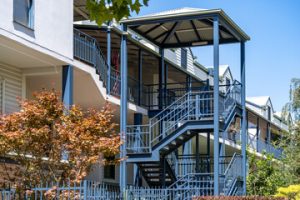
Unlike materials that may warp, crack, rot, or deteriorate over time, steel offers remarkable strength and reliability in demanding environments. It can be fabricated into sleek, minimalist designs or more decorative styles without sacrificing structural integrity. This flexibility allows property owners to create customized staircases and railing systems that enhance both safety and visual appeal. From modern homes to office buildings, warehouses, retail spaces, and multi-level properties, steel stairs and railings serve as practical solutions that meet a variety of functional and design needs.
Understanding Steel Stairs and Railings
Steel stairs are stair systems constructed primarily from structural steel components, including stringers, treads, supports, and framing. These staircases are engineered to safely support heavy loads while providing stable access between different levels of a building. Steel railings, on the other hand, are protective barriers installed along staircases, balconies, walkways, decks, and elevated platforms. Their primary purpose is to improve safety by preventing falls while also contributing to the overall appearance of the space.
Steel components can be manufactured in various shapes, sizes, and finishes to meet specific project requirements. Depending on the design, steel stairs may incorporate other materials such as wood, glass, concrete, or stone to create distinctive visual effects while retaining the strength of a steel framework. Likewise, steel railings may feature cable systems, glass panels, decorative balusters, or simple horizontal and vertical designs that suit both traditional and contemporary architecture.
Because steel can be fabricated with high precision, it allows for consistent quality and excellent structural performance. This precision also enables complex custom designs that would be difficult or impossible to achieve using other construction materials.
Why Steel Is an Exceptional Building Material
Steel has long been recognized as one of the strongest and most dependable construction materials available. Its high strength-to-weight ratio allows engineers and builders to create structures that are both durable and efficient. Unlike many traditional materials, steel maintains its structural properties under heavy loads and challenging environmental conditions.
One of the reasons steel performs so well is its resistance to deformation. Properly manufactured steel does not easily bend, twist, shrink, or expand due to changes in temperature or humidity. This stability contributes to the long lifespan of steel staircases and railing systems, making them an attractive choice for projects that prioritize longevity and reliability.
Additionally, steel is highly adaptable. It can be cut, welded, bent, and fabricated into countless configurations, allowing designers to create everything from bold architectural centerpieces to understated functional installations.
Key Benefits of Steel Stairs and Railings
Choosing steel stairs and railings offers numerous advantages that extend beyond appearance. These systems provide long-term value through durability, safety, versatility, and ease of maintenance.
Some of the most significant benefits include:
- Outstanding structural strength for heavy daily use.
- Long service life with proper maintenance.
- Resistance to moisture, insects, and rot.
- Modern and timeless visual appeal.
- Flexible design possibilities for custom projects.
- Excellent compatibility with other building materials.
- Low long-term maintenance requirements.
These advantages make steel an appealing solution for both new construction and renovation projects where durability and aesthetics are equally important.
Exceptional Durability
One of the primary reasons people choose steel stairs and railings is their remarkable durability. Steel is engineered to withstand significant weight and repeated use without compromising its structural integrity. Unlike wood, which may splinter or warp over time, steel retains its shape even after years of continuous use.
Outdoor installations particularly benefit from steel’s durability. When properly coated or treated, steel resists corrosion and environmental damage caused by rain, snow, sunlight, and fluctuating temperatures. This resilience makes it suitable for exterior staircases, balconies, patios, fire escapes, and elevated walkways.
The long lifespan of steel often results in lower ownership costs because fewer repairs and replacements are needed over time.
Enhanced Safety and Stability
Safety is one of the most important considerations in any staircase design, and steel performs exceptionally well in this area. The inherent strength of steel creates rigid stair systems with minimal movement or flexing, providing users with a solid and secure walking surface.
Steel railings further improve safety by offering dependable support along staircases and elevated areas. Their sturdy construction helps reduce the risk of falls while providing confidence for children, older adults, and anyone navigating stairs.
In many projects, steel’s ability to meet stringent structural and safety requirements makes it a preferred material for architects and builders seeking dependable performance.
Modern Design Flexibility
One of steel’s greatest strengths lies in its design versatility. It complements virtually every architectural style, from industrial-inspired interiors to elegant contemporary homes and classic commercial buildings.
Design possibilities include:
- Floating staircases
- Straight-run staircases
- Spiral staircases
- Curved staircases
- Open-riser designs
- Decorative railing systems
- Minimalist cable railings
- Glass and steel combinations
Because steel can be fabricated with remarkable precision, custom designs become easier to achieve without sacrificing structural strength. Homeowners and designers can create dramatic focal points while maintaining functionality and safety.
Low Maintenance Requirements
Compared to many traditional building materials, steel requires relatively little maintenance. Routine cleaning and occasional inspections are often sufficient to preserve its appearance and structural performance.
Protective coatings help prevent rust and corrosion, especially in outdoor environments. Powder-coated or galvanized finishes provide additional protection against moisture, scratches, and everyday wear.
Unlike wood, steel does not require frequent sanding, staining, or sealing. It also resists insect damage and does not suffer from issues such as splitting or warping caused by changing weather conditions.
These low-maintenance requirements make steel especially appealing for busy property owners who want long-lasting performance without constant upkeep.
Sustainability and Environmental Benefits
Sustainability has become an increasingly important consideration in construction, and steel offers several environmental advantages. Steel is one of the world’s most recyclable construction materials, and many steel products contain recycled content without sacrificing quality or strength.
At the end of its service life, steel can be recycled and repurposed into new products, reducing landfill waste and conserving natural resources. Its durability also contributes to sustainability by minimizing the need for replacement materials over time.
Additionally, the precision involved in steel fabrication often reduces material waste during construction, making it a more resource-efficient choice for many projects.
Where Steel Stairs and Railings Are Commonly Used
Steel stairs and railings are suitable for a wide variety of applications because of their strength and adaptability. They can be customized to fit projects of nearly any size or complexity.
Common applications include:
- Residential homes.
- Apartment buildings.
- Office buildings.
- Retail establishments.
- Warehouses.
- Manufacturing facilities.
- Educational buildings.
- Hospitality properties.
- Outdoor decks and patios.
- Rooftop access systems.
Their versatility allows them to function equally well in both indoor and outdoor environments while maintaining a cohesive appearance throughout the property.
Popular Finish Options
The appearance of steel stairs and railings can be customized using various finishes that enhance both aesthetics and durability. These finishes help protect the steel while allowing it to complement different architectural styles.
Popular finish options include matte finishes for a subtle contemporary look, glossy finishes for a more polished appearance, textured coatings for added visual interest, and protective coatings designed for exterior installations. Some projects also incorporate decorative paint systems or metallic finishes that highlight the clean lines of steel construction.
Selecting the appropriate finish depends on the intended environment, maintenance expectations, and overall design goals.
Factors to Consider Before Installation
Although steel stairs and railings offer many benefits, careful planning is essential to achieve the best results. Several factors should be evaluated before beginning installation.
Important considerations include:
- Available space and layout.
- Intended usage and traffic levels.
- Building code requirements.
- Indoor versus outdoor installation.
- Desired design style.
- Budget and long-term maintenance expectations.
- Material combinations with wood, glass, or concrete.
Early planning helps ensure that the finished system delivers both visual appeal and long-lasting performance.
Common Misconceptions About Steel
Despite its growing popularity, some misconceptions still surround steel construction. One common belief is that steel always creates an industrial appearance. In reality, modern fabrication techniques allow steel to complement virtually any design style, from traditional elegance to contemporary minimalism.
Another misconception is that steel requires constant maintenance. While untreated steel may be susceptible to corrosion in certain environments, properly finished steel systems require relatively little upkeep compared to many alternative materials.
Some people also assume steel staircases are noisy. However, professionally engineered installations with quality construction techniques significantly reduce vibration and sound, resulting in comfortable everyday use.
Understanding these misconceptions helps property owners make more informed decisions when evaluating material options.
Why Steel Is a Long-Term Investment
Although steel stairs and railings may require a higher initial investment than some alternative materials, they often deliver superior long-term value. Their durability, minimal maintenance needs, extended lifespan, and timeless appearance contribute to lower ownership costs over many years.
Because steel resists damage from moisture, insects, temperature changes, and everyday wear, property owners spend less on repairs and replacements. This makes steel particularly attractive for projects where longevity and reliability are top priorities.
Additionally, well-designed steel stair systems can enhance the overall appearance of a property, potentially increasing its appeal and perceived value. Their clean lines and modern aesthetic continue to remain desirable across changing design trends, making them a worthwhile investment for both residential and commercial spaces.
Steel stairs and railings combine exceptional strength, lasting durability, impressive design flexibility, and reliable safety into one versatile construction solution. Whether enhancing a private residence, improving a commercial building, or upgrading an outdoor space, steel offers benefits that extend far beyond its sleek appearance. Its ability to withstand heavy use, resist environmental challenges, and integrate seamlessly with a wide range of architectural styles makes it one of the smartest choices for modern construction and renovation projects.
By understanding what steel stairs and railings are and the advantages they provide, property owners can make confident decisions that support both immediate needs and long-term goals. From improved structural performance and reduced maintenance to enhanced visual appeal and sustainability, steel continues to prove itself as a dependable material that delivers outstanding value for years to come.