
A home is one of the most significant investments most people will ever make, and protecting that investment requires more than routine cleaning and occasional repairs. While homeowners often focus on maintaining roofs, plumbing, landscaping, and interior finishes, one critical aspect of property care is frequently overlooked until serious problems develop: pest control. Insects and rodents may seem like minor nuisances at first, but many pests are capable of causing extensive structural damage that can compromise the integrity, safety, and value of a home. What begins as a small infestation can quietly escalate into costly repairs if left untreated.
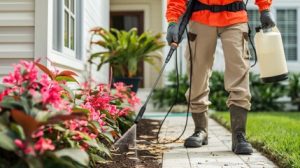
Effective pest control is not only about eliminating unwanted invaders but also about preserving the materials that hold a home together. Through regular inspections, preventative measures, and timely treatments, pest control plays an essential role in protecting residential structures from long-term deterioration. Click Here to discover more information.
Structural damage caused by pests often develops gradually, making it difficult for homeowners to recognize the problem until visible signs begin to appear. Unlike sudden events such as storms or plumbing leaks, pest activity typically occurs behind walls, beneath flooring, inside crawl spaces, or within attics where damage remains hidden for months or even years. During this time, pests continue feeding, nesting, and reproducing, steadily weakening wood, insulation, wiring, and other essential building components. By the time warped floors, cracked walls, sagging ceilings, or sticking doors become noticeable, the infestation may already be well established. This is why proactive pest control is far more effective and affordable than waiting for obvious structural issues to develop.
Among the most destructive household pests are wood-damaging insects that feed directly on cellulose, the primary component found in lumber and many building materials. These insects tunnel through wooden beams, floor joists, wall studs, support posts, and framing members while remaining largely hidden from view. Because they consume wood from the inside out, affected structures may appear perfectly normal on the surface despite suffering extensive internal damage. As their colonies grow, the structural integrity of the home gradually declines, increasing the likelihood of weakened supports and expensive reconstruction. Regular pest inspections help identify these hidden infestations before they spread throughout the property, allowing targeted treatments to protect vulnerable structural elements.
Rodents also pose a significant threat to residential structures. Although they are commonly associated with contaminated food and health concerns, rodents frequently damage homes by chewing on building materials. Their constantly growing teeth require continuous gnawing, leading them to chew wood, insulation, drywall, plastic piping, and electrical wiring. Damaged wiring increases the risk of electrical failures and may even contribute to fire hazards, while chewed plumbing components can lead to hidden water leaks that create additional structural issues. Rodents also build nests inside walls and attics using insulation and other soft materials, reducing energy efficiency while creating ideal conditions for moisture retention and further deterioration. Comprehensive pest control addresses rodent activity before these problems become widespread.
Moisture and pests often work together to accelerate structural damage. Damp environments attract many insects and create favorable conditions for infestations to flourish. Leaking pipes, clogged gutters, poor drainage, and excessive humidity provide the moisture that many pests need to survive and reproduce. Once established, these pests further damage building materials, allowing moisture to penetrate deeper into structural components. This combination frequently leads to wood rot, mold growth, and weakening of support structures. Effective pest control therefore includes identifying moisture issues that encourage infestations, creating a more complete approach to protecting the home.
One of the greatest advantages of professional pest control is early detection. Many homeowners only notice pests after seeing insects indoors or discovering visible damage. However, experienced inspections often reveal warning signs long before infestations become severe. Small entry points, droppings, discarded wings, damaged wood, nesting materials, moisture accumulation, and subtle structural changes can all indicate developing pest problems. Detecting these warning signs early allows appropriate treatments to be implemented before extensive structural repairs become necessary.
Several areas of the home deserve particular attention because they are especially vulnerable to pest activity:
- Crawl spaces, basements, attics, wall voids, and foundation areas where darkness, moisture, and limited human activity create favorable conditions for pests.
- Wooden decks, fences, porches, roof structures, door frames, window frames, garages, and storage areas that are regularly exposed to weather and may provide easy access for insects and rodents.
Routine inspections of these locations significantly improve the chances of identifying infestations during their earliest stages, reducing both damage and repair costs.
Pest control also helps preserve the strength of a home’s foundation and supporting structures. While many pests primarily target wood, some contribute indirectly to foundation problems by disturbing surrounding soil or creating pathways that allow moisture infiltration. Burrowing activity near foundations can alter soil stability, while clogged drainage systems caused by nesting debris may increase water accumulation around the home’s perimeter. Excess moisture places additional stress on foundations and creates favorable conditions for wood-damaging insects. Integrated pest management strategies address these interconnected issues, helping maintain both structural stability and environmental conditions that discourage future infestations.
Preventative pest control is considerably more economical than repairing structural damage after an infestation has become severe. Replacing damaged framing, floor supports, roof components, drywall, insulation, wiring, or flooring often requires extensive labor and significant financial investment. In contrast, routine inspections and preventative treatments represent relatively modest maintenance expenses that help avoid much larger repair bills in the future. Property owners who view pest control as part of their ongoing home maintenance program often experience fewer unexpected repair costs while extending the lifespan of their home’s structural components.
Another important benefit of pest control is preserving property value. Structural damage caused by pests can significantly reduce a home’s market appeal and complicate future real estate transactions. Prospective buyers frequently request inspections before completing a purchase, and evidence of previous or active infestations may raise concerns about hidden structural problems. Even when damage has been repaired, documented infestations can influence buyer confidence. Maintaining a consistent pest control program demonstrates responsible homeownership while helping preserve the property’s long-term value and marketability.
Many homeowners are surprised to learn how quickly pest populations can expand under favorable conditions. A small number of insects or rodents may seem insignificant initially, but reproduction rates allow infestations to grow rapidly if left unchecked. Larger populations consume more building materials, contaminate more areas, and become increasingly difficult to eliminate. Routine monitoring interrupts this cycle by identifying and addressing pest activity before colonies reach damaging levels.
Maintaining the exterior of a home also contributes significantly to effective pest control. Overgrown vegetation, stacked firewood, clogged gutters, standing water, and accumulated debris provide shelter and easy access for pests. Cracks in foundations, gaps around utility lines, damaged weather stripping, and improperly sealed windows and doors create convenient entry points into the structure. Reducing these vulnerabilities helps discourage infestations while supporting the effectiveness of professional pest management efforts.
Several preventative practices greatly reduce the likelihood of structural pest damage:
- Seal cracks and openings around foundations, doors, windows, vents, and utility penetrations to limit pest entry.
- Eliminate excess moisture by repairing leaks, improving drainage, cleaning gutters, and maintaining proper ventilation throughout the home.
These relatively simple maintenance measures complement professional pest control and create an environment that is far less attractive to destructive pests.
Integrated pest management emphasizes long-term prevention rather than relying solely on reactive treatments. Instead of simply eliminating visible pests, this comprehensive approach identifies the underlying conditions that attract infestations. Food availability, moisture, shelter, and access points are carefully evaluated so that future infestations become less likely. Combining environmental improvements with targeted treatments creates a more sustainable method of protecting homes against structural damage while minimizing unnecessary pesticide use.
Seasonal changes also influence pest behavior. During colder months, rodents and insects often seek warmth inside homes, entering through even the smallest openings. Warmer weather encourages increased insect activity outdoors, particularly around damp wood, landscaping, and exterior structures. Heavy rainfall may drive pests indoors as they search for drier environments, while prolonged dry conditions can encourage certain insects to seek moisture inside residential buildings. Understanding these seasonal patterns helps homeowners schedule inspections and preventative treatments at appropriate times throughout the year.
Modern pest control strategies continue to evolve as research improves understanding of pest behavior and environmentally responsible treatment methods. Today’s approaches often combine monitoring systems, habitat modification, exclusion techniques, targeted applications, and ongoing inspections to achieve effective long-term protection. This balanced strategy not only addresses existing infestations but also reduces the likelihood of recurring problems, supporting healthier living environments while protecting structural components from unnecessary damage.
The benefits of pest control extend well beyond preserving building materials. Families gain greater peace of mind knowing that hidden infestations are less likely to compromise the safety of their homes. Reduced pest activity also helps protect stored belongings, improves indoor comfort, minimizes contamination risks, and contributes to healthier living conditions overall. These advantages reinforce the importance of viewing pest control as an essential component of responsible homeownership rather than an occasional response to visible pest problems.
Routine inspections remain one of the most valuable investments homeowners can make. Even when no obvious signs of pests are present, professional evaluations can identify developing issues before significant damage occurs. Early intervention consistently produces better outcomes than waiting until repairs become unavoidable. Small corrective actions taken today often prevent major structural restoration projects in the future.
Ultimately, protecting a home’s structure requires a proactive mindset. Just as roofs require maintenance and plumbing systems benefit from regular inspections, pest control should be viewed as an ongoing part of comprehensive property care. Ignoring small infestations allows damage to accumulate quietly behind walls, beneath floors, and within structural supports where repairs become increasingly expensive over time. Consistent prevention helps preserve both the appearance and integrity of the home while reducing long-term maintenance costs.
Pest control is about far more than removing unwanted insects and rodents—it is about safeguarding the very framework of a home. By detecting infestations early, preventing moisture-related problems, eliminating entry points, and implementing long-term prevention strategies, homeowners can significantly reduce the risk of structural damage. Investing in regular pest control protects not only the physical structure of the home but also its value, safety, and longevity, ensuring that it remains a secure and comfortable place for years to come.