
Choosing the best Cedar Park Roof Repair material for your home is one of the most important decisions you can make as a homeowner. A roof is much more than a decorative feature that enhances curb appeal—it is a critical part of your home’s structure that protects everything beneath it from rain, wind, sunlight, changing temperatures, and other environmental conditions. Because a roof is expected to perform reliably for decades, selecting the right material requires careful consideration of durability, appearance, maintenance requirements, energy efficiency, budget, and long-term value.
While many homeowners initially focus on price alone, the true cost of a roofing system includes installation, maintenance, repairs, expected lifespan, and the level of protection it provides over time. Understanding the strengths and limitations of different roofing materials can help you make an informed decision that benefits your home for many years.
There is no single roofing material that can be considered the best for every home. Each property has unique requirements based on architectural style, roof design, environmental conditions, maintenance expectations, and financial priorities. A material that performs exceptionally well on one home may not be the ideal choice for another. Instead of searching for a universal solution, homeowners should focus on identifying the roofing system that offers the best balance of performance, longevity, appearance, and affordability for their specific needs. Taking a long-term perspective often leads to better decisions than choosing solely based on the lowest upfront cost.
One of the most common roofing materials used for residential properties is asphalt shingles. Their popularity stems from their affordability, versatility, and ability to complement many architectural styles. Asphalt shingles are available in a wide variety of colors, textures, and profiles, allowing homeowners to achieve different visual effects without significantly increasing project costs. Modern manufacturing has also improved their durability, making them more resistant to weather exposure than earlier generations of roofing products. For homeowners seeking an attractive balance between performance and cost, asphalt shingles remain a dependable option that offers solid protection with relatively straightforward maintenance.
Metal roofing has become increasingly popular among homeowners looking for exceptional durability and long-term value. Unlike many traditional roofing materials, metal is highly resistant to cracking, shrinking, and many forms of weather-related deterioration. It also reflects a significant portion of solar heat, helping reduce heat absorption during warmer months and potentially improving overall energy efficiency. Although the initial investment is generally higher than some alternatives, the extended lifespan and reduced maintenance requirements often make metal roofing a cost-effective choice over time. Many homeowners also appreciate its clean, modern appearance and the variety of styles now available, including designs that resemble more traditional roofing materials.
Clay and concrete tiles provide another attractive roofing option, particularly for homeowners seeking both durability and distinctive architectural character. These materials are well known for their impressive longevity and resistance to fire, insects, and harsh weather conditions. Their substantial weight, however, means the home’s structural framework must be capable of supporting the additional load. While installation costs are typically higher, tile roofing can offer decades of dependable performance with relatively low maintenance when properly installed. Many homeowners value the timeless appearance these materials provide, especially on homes featuring traditional or Mediterranean-inspired designs.
Wood shingles and wood shakes offer a natural, warm appearance that many homeowners find appealing. Their textured finish creates a unique character that blends beautifully with various architectural styles and surrounding landscapes. However, wood roofing generally requires more maintenance than many alternative materials. Regular inspections, cleaning, and treatment help protect against moisture, insects, mold, and weather-related deterioration. Homeowners considering wood roofing should be prepared for the additional maintenance responsibilities required to preserve both its appearance and structural performance over time.
Synthetic roofing materials have gained significant attention as technology continues to advance. These products are designed to replicate the appearance of natural slate, wood, or tile while reducing weight and often improving impact resistance. Many synthetic roofing systems also require less maintenance than the traditional materials they imitate. Because manufacturing methods continue to improve, homeowners now have access to products that combine attractive aesthetics with enhanced durability and easier installation. For those seeking the appearance of premium roofing materials without some of their limitations, synthetic options deserve careful consideration.
Natural slate remains one of the most durable roofing materials available. Its elegant appearance, exceptional longevity, and resistance to fire and weather make it an attractive choice for homeowners seeking a premium roofing system. However, slate is among the most expensive roofing materials and requires specialized installation due to its weight and handling requirements. The home’s structural support system must also be evaluated to ensure it can safely accommodate the additional load. Despite the higher investment, many homeowners consider slate an excellent long-term solution because of its remarkable lifespan and timeless beauty.
Several important factors should be evaluated before selecting a roofing material:
- Consider the expected lifespan, maintenance requirements, weather resistance, energy efficiency, appearance, installation complexity, and long-term ownership costs rather than focusing solely on the initial purchase price.
- Evaluate your home’s architectural style, roof slope, structural capacity, local weather conditions, future maintenance expectations, and overall budget to determine which roofing material best aligns with your priorities.
Taking these considerations into account helps ensure the selected roofing system performs effectively while complementing the home’s design and protecting the investment for decades.
Climate plays a major role in determining roofing performance. Homes exposed to heavy rainfall require materials capable of shedding water efficiently, while regions with frequent high winds benefit from roofing systems designed to resist uplift. Areas experiencing prolonged sunlight often benefit from reflective roofing materials that reduce heat absorption and improve indoor comfort. In colder environments, roofing systems must withstand freeze-and-thaw cycles without cracking or allowing moisture penetration. Understanding how environmental conditions affect roofing materials enables homeowners to choose products specifically suited to their property’s long-term needs.
Energy efficiency has become an increasingly important consideration for modern homeowners. Roofing materials influence the amount of solar heat absorbed by the home, affecting indoor temperatures throughout the year. Reflective roofing systems help reduce heat transfer into attic spaces during warmer months, allowing cooling systems to operate more efficiently. Combined with proper attic insulation and ventilation, energy-efficient roofing materials contribute to greater comfort while potentially reducing monthly utility expenses. Although energy performance should not be the only deciding factor, it remains an important element when evaluating long-term roofing value.
Roof maintenance is another consideration that should not be overlooked. Every roofing material requires some level of routine inspection and care, although maintenance needs vary considerably between products. Periodic cleaning, gutter maintenance, flashing inspections, and prompt repair of minor damage help maximize the lifespan of any roofing system. Homeowners who prefer lower-maintenance solutions may favor materials known for long-term durability with minimal upkeep, while others may prioritize appearance even if additional maintenance is required.
Budget naturally influences roofing decisions, but homeowners should think beyond initial installation costs. A less expensive roofing material that requires frequent repairs or earlier replacement may ultimately cost more over its lifetime than a higher-quality product with superior longevity. Calculating the total cost of ownership—including maintenance, repairs, energy savings, and expected lifespan—provides a more accurate picture of overall value. In many cases, investing more upfront results in lower long-term expenses and greater peace of mind.
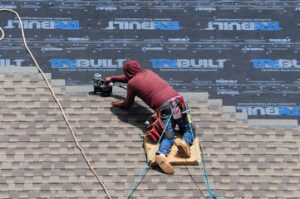
Proper installation is equally important regardless of which roofing material is selected. Even the highest-quality products cannot perform as intended if they are installed incorrectly. Every roofing system depends on properly installed underlayment, flashing, ventilation, fasteners, and drainage components to provide complete protection. Small installation errors can eventually lead to leaks, moisture damage, reduced energy efficiency, and premature material failure. For this reason, homeowners should view quality workmanship as an essential part of their roofing investment rather than focusing exclusively on material selection.
Ventilation plays a significant role in maximizing roof performance. Adequate airflow beneath the roof helps regulate attic temperatures, reduces moisture accumulation, and extends the lifespan of roofing materials. Poor ventilation may accelerate deterioration, encourage mold growth, increase energy consumption, and contribute to structural problems over time. A properly designed roofing system combines quality materials with effective ventilation to maintain consistent performance throughout changing weather conditions.
Homeowners should also think about future property value when selecting roofing materials. A durable, attractive roof enhances curb appeal and creates a positive first impression for potential buyers. Because roof replacement represents a major expense, many buyers appreciate homes with newer, well-maintained roofing systems that are expected to provide years of dependable service. Selecting a roofing material known for longevity and visual appeal may contribute positively to resale value while reducing concerns during future property inspections.
Routine maintenance remains essential regardless of which roofing material is chosen. Homeowners can maximize roofing performance by following several simple practices:
- Inspect the roof regularly for damaged materials, clean gutters and downspouts, remove leaves and debris, trim overhanging tree branches, and address small problems before they develop into larger repairs.
- Monitor interior ceilings for signs of moisture, ensure attic ventilation remains unobstructed, schedule periodic professional inspections, and repair flashing or sealant issues promptly to prevent water intrusion.
These preventative maintenance habits help preserve both the appearance and structural integrity of the roofing system while extending its useful lifespan.
Sustainability has become another important consideration for many homeowners. Some roofing materials contain recycled content, while others can be recycled after replacement, reducing landfill waste. Long-lasting materials also contribute to sustainability by minimizing the frequency of roof replacements throughout the home’s lifetime. Energy-efficient roofing products further support environmentally responsible homeownership by lowering heating and cooling demands, helping reduce overall energy consumption.
Ultimately, the best roofing material for your home is the one that successfully balances durability, appearance, maintenance, energy efficiency, structural compatibility, and long-term value. There is no universal answer because every home presents unique requirements, and every homeowner has different priorities. Carefully evaluating available options, understanding the strengths of each material, and considering the total cost of ownership will lead to a more confident and informed decision.
A roof is one of the most significant investments a homeowner will ever make, and choosing the right material provides benefits that extend far beyond aesthetics. The right roofing system protects the home’s structure, improves indoor comfort, enhances curb appeal, supports energy efficiency, and contributes to long-term property value. By taking the time to understand the available materials and selecting the option best suited to your home’s specific needs, you can enjoy reliable performance, lasting protection, and peace of mind for decades to come.