
Water damage can leave a lasting impact on any property, whether it is caused by heavy rainfall, plumbing failures, appliance leaks, or flooding. While the immediate focus is often on removing standing water and drying indoor spaces, the exterior of a property also requires careful attention. Dirt, mud, algae, mold, mildew, and other contaminants often accumulate on exterior surfaces after water damage, leaving homes and commercial buildings looking neglected while also creating potential health and structural concerns.
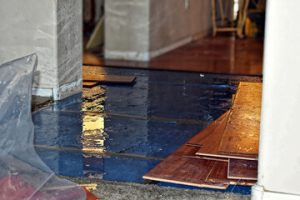
One of the most effective ways to restore the appearance and cleanliness of a property after water damage is through professional Water Damage Cleanup Salt Lake City power washing. This cleaning method uses pressurized water to remove stubborn debris, organic growth, stains, and contaminants from a wide range of outdoor surfaces. Beyond improving curb appeal, power washing also plays an important role in protecting building materials and preparing surfaces for additional restoration work.
Understanding how power washing fits into the overall restoration process helps property owners make informed decisions after water damage. When combined with proper drying, repairs, and preventative maintenance, it becomes an essential step toward returning a property to a safe, clean, and welcoming condition.
Why Water Damage Leaves More Than Just Moisture Behind
Many people associate water damage with soaked carpets, damaged drywall, or warped flooring inside a building. However, exterior areas are often affected just as severely. Water can carry mud, sediment, bacteria, chemicals, and organic debris that settle onto siding, driveways, patios, fences, decks, and walkways. As the moisture begins to evaporate, these materials remain behind, creating visible stains and encouraging the growth of mold, mildew, algae, and moss.
Over time, these contaminants can cause surfaces to discolor, become slippery, and deteriorate more quickly. Wood may begin to rot, concrete can develop dark staining, and brick surfaces may retain moisture that encourages biological growth. Even when structural repairs have been completed, these lingering contaminants can make a property appear damaged and poorly maintained.
Power washing addresses these issues by thoroughly removing accumulated dirt and biological growth before they have the opportunity to cause further deterioration.
The Role of Power Washing in the Restoration Process
Restoring a property after water damage involves multiple stages, and power washing serves as one of the most valuable exterior cleaning methods during this process. Rather than simply improving appearance, it helps eliminate materials that can continue causing problems long after floodwaters have disappeared.
Power washing works by directing high-pressure water onto affected surfaces, loosening dirt, removing stains, and washing away contaminants that ordinary cleaning methods often cannot eliminate. Depending on the material being cleaned, pressure levels and cleaning techniques can be adjusted to provide effective results without damaging the surface.
This process helps restore a property’s original appearance while creating a cleaner environment for repairs, painting, sealing, or other restoration activities.
Exterior Surfaces That Benefit from Power Washing
Water damage rarely affects just one part of a property. Moisture often reaches multiple outdoor areas that require thorough cleaning before restoration can be considered complete.
Some of the most commonly cleaned surfaces include:
- Concrete driveways, sidewalks, and patios that have accumulated mud, stains, and algae.
- Exterior walls, siding, fences, decks, retaining walls, and outdoor stairways where moisture and organic growth have developed.
Each material requires a different cleaning approach, making proper equipment selection and pressure adjustment important factors in achieving safe and effective results.
Removing Mold and Mildew After Water Exposure
One of the biggest concerns following water damage is the rapid development of mold and mildew. These organisms thrive in damp environments and can begin growing surprisingly quickly when moisture remains trapped on exterior surfaces.
Mold and mildew not only create unpleasant dark stains but can also contribute to unpleasant odors and surface deterioration. Left untreated, they continue spreading as long as favorable moisture conditions exist.
Power washing helps remove visible mold colonies along with accumulated dirt that supports their growth. Although additional treatments may sometimes be necessary to fully eliminate biological contamination, washing significantly reduces surface buildup and creates a cleaner environment for further restoration efforts.
Removing these contaminants also improves the overall appearance of the property, making repaired areas blend more naturally with surrounding surfaces.
Eliminating Mud, Sediment, and Debris
Floodwater often carries large amounts of dirt, sand, leaves, and organic material. Once the water recedes, these substances dry onto hard surfaces and become difficult to remove using ordinary garden hoses or manual scrubbing.
Driveways may develop thick layers of dried mud, patios may collect fine sediment, and walls can become coated with dirt that dulls their appearance. These deposits can harden over time, making cleanup increasingly difficult.
Power washing effectively breaks apart stubborn buildup while rinsing away loose debris. The result is a cleaner surface that more accurately reveals any structural damage requiring repair.
Without this cleaning step, restoration professionals may have difficulty identifying cracks, surface deterioration, or hidden damage concealed beneath accumulated dirt.
Improving Safety Around the Property
Water damage often creates hazardous outdoor conditions. Algae, mildew, mud, and moss can make sidewalks, decks, patios, and entryways extremely slippery, increasing the risk of slips and falls.
Power washing removes these hazardous materials and restores traction to many exterior surfaces. This is particularly important for frequently used walkways, staircases, parking areas, and entrances where safety is a priority.
Removing accumulated debris also improves visibility by revealing uneven surfaces, cracks, or damaged sections that require repair before becoming more serious hazards.
Preparing Surfaces for Repairs and Finishing
Many restoration projects involve more than cleaning alone. Damaged siding may require repainting, concrete may need sealing, wooden decks may require refinishing, and fences might need repairs.
Proper surface preparation is essential before applying paints, stains, or protective coatings. Dirt, algae, mold, and loose debris interfere with adhesion, reducing the lifespan of these finishes.
Power washing creates a cleaner surface that allows repair materials and protective coatings to bond more effectively. This contributes to longer-lasting restoration results while helping improve the overall appearance of the completed project.
Skipping this preparation step can lead to premature peeling, uneven finishes, and reduced durability.
Restoring Curb Appeal After Water Damage
Water damage often leaves properties looking neglected even after structural repairs have been completed. Stained sidewalks, dirty siding, algae-covered patios, and muddy driveways can significantly reduce curb appeal.
Power washing provides one of the fastest ways to dramatically improve the property’s appearance. Brightened concrete, cleaner walls, refreshed decks, and restored fencing help create the impression of a well-maintained property once again.
For homeowners, this renewed appearance brings peace of mind after a stressful restoration process. For businesses, maintaining an attractive exterior helps restore customer confidence and presents a more professional image following unexpected water damage.
Helping Extend the Life of Exterior Materials
Moisture alone can shorten the lifespan of many building materials, but contaminants accelerate the deterioration process even further. Mold, algae, moss, dirt, and trapped organic matter continuously retain moisture against surfaces, increasing wear over time.
Regular power washing removes these harmful accumulations before they can cause lasting damage. This helps protect:
- Concrete from deep staining and biological growth.
- Wood from excessive moisture retention.
- Brick and stone from surface discoloration.
- Composite materials from algae buildup.
- Exterior siding from mold-related staining.
Maintaining clean surfaces reduces long-term maintenance costs while preserving the property’s overall condition.
Environmental Considerations
Modern power washing practices often use water efficiently while minimizing the need for harsh chemicals. In many situations, water pressure alone effectively removes accumulated dirt and debris.
When cleaning solutions are required, environmentally responsible methods help reduce unnecessary impact while still achieving excellent cleaning results. Responsible wastewater management also helps prevent contaminants from spreading into surrounding areas during the cleaning process.
These practices support restoration efforts while promoting cleaner outdoor environments.
When Power Washing Should Be Performed
Timing plays an important role in successful restoration. Power washing should generally be completed after standing water has been removed and immediate structural stabilization has taken place.
Cleaning too early may interfere with emergency mitigation efforts, while waiting too long allows contaminants to harden and biological growth to spread.
The restoration timeline often includes several important stages:
- Water extraction and drying.
- Damage assessment and structural repairs.
- Exterior power washing and cleaning.
- Surface preparation for painting, sealing, or refinishing.
- Final inspections and ongoing maintenance.
Following a logical restoration sequence helps maximize cleaning effectiveness while supporting long-term property recovery.
Preventing Future Exterior Damage
After completing restoration work, regular maintenance becomes the key to preserving the property’s condition. Seasonal power washing removes dirt, pollen, algae, and mildew before they become serious problems again.
Property owners can also reduce future water-related issues by maintaining gutters, improving drainage, repairing leaks promptly, trimming vegetation away from structures, and inspecting exterior surfaces for signs of moisture intrusion.
These preventative measures work together with routine cleaning to help keep the property looking attractive while reducing the likelihood of recurring damage.
Choosing the Right Cleaning Approach
Not every surface responds well to the same pressure level. Delicate materials such as painted wood, certain types of siding, and aging masonry require more controlled cleaning methods than concrete or stone.
Using excessive pressure can damage surfaces, strip protective finishes, or force water into areas where moisture should not penetrate. Selecting the appropriate cleaning method for each material helps achieve the best restoration results while protecting the integrity of the property.
Careful evaluation of each affected area allows cleaning techniques to be tailored according to the surface condition, level of contamination, and restoration goals.
Conclusion
Recovering from water damage involves much more than drying a building’s interior. Exterior surfaces often collect mud, mold, algae, stains, and debris that continue affecting both appearance and structural health long after the water is gone. Power washing provides an effective solution for removing these contaminants, restoring curb appeal, improving safety, and preparing surfaces for necessary repairs and protective treatments.
As part of a comprehensive restoration strategy, power washing helps extend the life of exterior materials while supporting a cleaner, healthier environment around the property. Combined with timely repairs, proper maintenance, and preventative care, this cleaning method plays an essential role in helping homes and commercial buildings recover from water damage and remain in excellent condition for years to come.